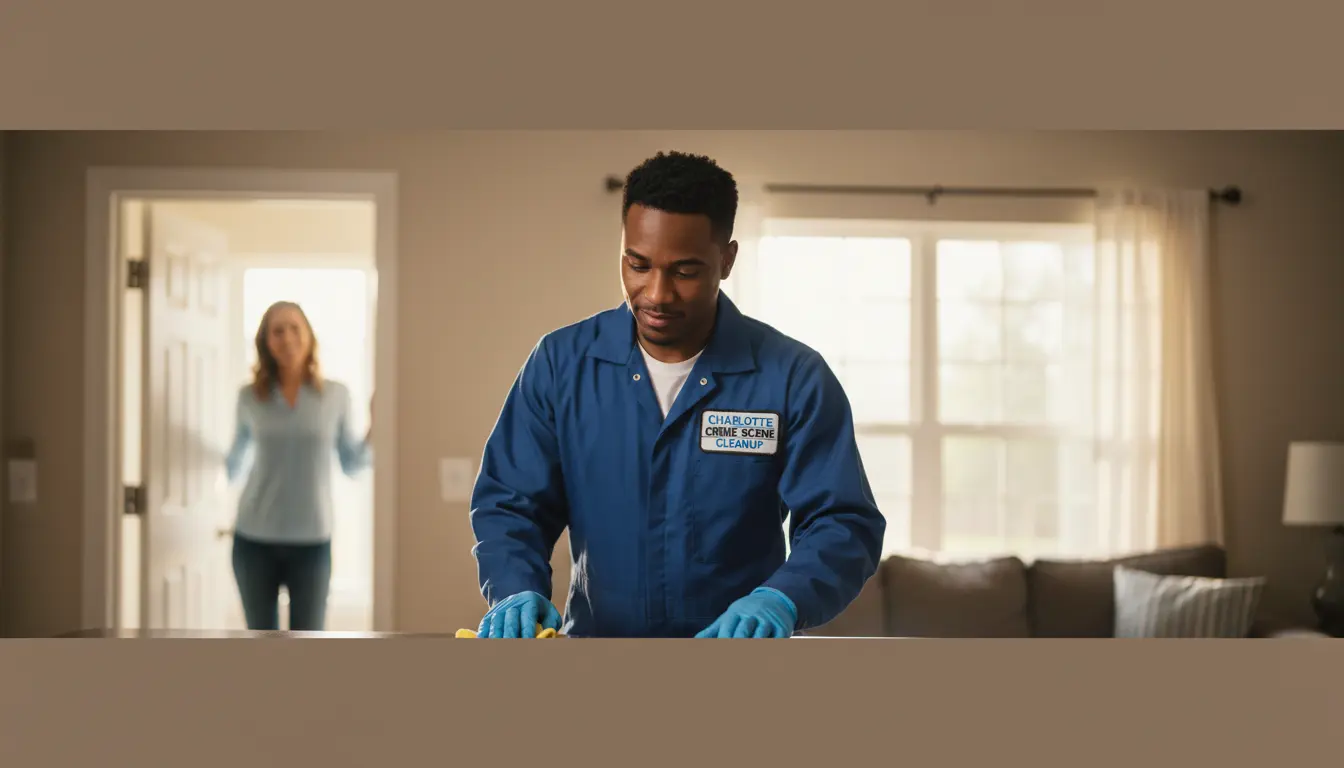
Suicide cleanup service refers to the specialized process of safely and discreetly restoring a property to a habitable condition after a traumatic event, such as a suicide, has occurred. It is distinct from standard janitorial cleaning or housekeeping services, as it requires specific training, equipment, and protocols to address the unique challenges posed by biological contaminants, emotional trauma, and potential health hazards. In Mecklenburg County, where the humid subtropical climate can accelerate biological decomposition and bacterial growth, professional suicide cleanup services are crucial for ensuring the health, safety, and well-being of individuals who may be exposed to the affected area.
In Charlotte, NC, the importance of professional, legally compliant crime scene and trauma cleanup cannot be overstated. The city’s climate, local vector control issues, and typical residential and commercial building materials can all contribute to the complexity and risks associated with biohazard remediation. Charlotte Crime Scene Cleanup is the premier, authoritative, and compassionate service provider in the area, offering expert solutions for individuals, families, and businesses in need of discreet and thorough trauma scene cleanup.
The process of suicide cleanup involves a range of critical steps, from initial site assessment and establishment of containment zones to biological matter removal, structural sanitization, deodorization, and ATP verification. Each step requires specialized training, equipment, and attention to detail to ensure that the property is restored to a safe and habitable condition. For example, the use of HEPA air scrubbers and hydroxyl generators can help to remove airborne pathogens and neutralize odors, while EPA-registered hospital-grade disinfectants can effectively eradicate a wide range of microorganisms.
Technical Process
A key aspect of professional biohazard remediation is the establishment of containment zones, which helps to prevent the spread of biological contaminants and minimize the risk of cross-contamination. This involves the use of physical barriers, such as plastic sheeting, and negative air pressure systems to create a sealed environment that can be safely cleaned and disinfected. The removal of biological matter, including blood and bodily fluids, is also critical, as these substances can harbor a range of pathogens and pose a significant risk to human health.
In addition to these technical aspects, the emotional and psychological impact of traumatic events must also be considered. The presence of biological contaminants, odors, and other reminders of the event can be deeply distressing for individuals who have been affected, and can even contribute to the development of conditions such as post-traumatic stress disorder (PTSD). Professional suicide cleanup services can help to mitigate these effects by providing a safe, compassionate, and discreet environment for individuals to process their emotions and begin the healing process.
Data Comparison
When it comes to biohazard remediation, there are significant differences between professional services and standard janitorial cleaning. The following table highlights some of the key differences:
| Feature/Metric | Professional Biohazard Remediation | Standard Janitorial Cleaning |
|---|---|---|
| Pathogen Eradication | 99.99% or higher | Variable, often lower than 90% |
| Legal/OSHA Compliance | Full compliance with relevant regulations | Often lacking or incomplete |
| Structural Penetration | Deep cleaning and sanitization of porous materials | Superficial cleaning, often limited to surface areas |
Source: American Bio Recovery Association (ABRA) Reference Guide
Expert Insights
One of the most critical aspects of professional biohazard remediation is the use of specialized equipment and protocols to address the unique challenges posed by biological contaminants. For example, the use of enzymatic remediation agents can help to break down and digest protein-based substances, such as blood and bodily fluids, while ATP testing can provide a quantitative measure of microbial contamination. By leveraging these tools and techniques, professional services can provide a higher level of cleaning and sanitization than standard janitorial services, and help to ensure a safer and healthier environment for individuals who may be exposed to the affected area.
In addition to these technical insights, it is also important to consider the emotional and psychological impact of traumatic events on individuals and communities. The presence of biological contaminants, odors, and other reminders of the event can be deeply distressing, and can even contribute to the development of conditions such as PTSD. Professional suicide cleanup services can help to mitigate these effects by providing a safe, compassionate, and discreet environment for individuals to process their emotions and begin the healing process.
Pricing
The cost of professional biohazard remediation services can vary widely, depending on a range of factors, including the extent of biological fluid penetration, the volume of hazardous waste, and the need for specialized equipment and protocols. In general, however, the cost of these services is often less than the cost of attempting to clean and restore a property without professional assistance. This is because professional services can help to minimize the risk of cross-contamination, reduce the need for costly repairs and renovations, and provide a higher level of cleaning and sanitization than standard janitorial services.
- Hourly rates per technician: $100-$300 per hour
- Regulated medical waste disposal fees: $500-$2,000 per incident
- Costs of specialized chemical agents: $500-$2,000 per incident
Safety and Standards
Professional biohazard remediation services must comply with a range of regulations and standards, including OSHA 29 CFR 1910.1030 Bloodborne Pathogens standard, EPA-approved disinfectants, and ABRA protocols. These regulations and standards are designed to protect individuals who may be exposed to biological contaminants, and to ensure that properties are restored to a safe and habitable condition. By leveraging these regulations and standards, professional services can provide a higher level of cleaning and sanitization than standard janitorial services, and help to minimize the risk of cross-contamination and other health hazards.
FAQ
What is the difference between professional biohazard remediation and standard janitorial cleaning?
Professional biohazard remediation involves the use of specialized equipment, protocols, and training to safely and effectively clean and restore properties that have been contaminated with biological substances, such as blood and bodily fluids. Standard janitorial cleaning, on the other hand, is designed to clean and maintain properties on a routine basis, and may not provide the same level of cleaning and sanitization as professional biohazard remediation.
How long does the biohazard remediation process typically take?
The length of time required for biohazard remediation can vary widely, depending on the extent of biological fluid penetration, the volume of hazardous waste, and the need for specialized equipment and protocols. In general, however, the process can take anywhere from a few hours to several days or even weeks to complete.
What kind of equipment and protocols are used in biohazard remediation?
Professional biohazard remediation services use a range of specialized equipment and protocols to safely and effectively clean and restore properties that have been contaminated with biological substances. This can include the use of HEPA air scrubbers, hydroxyl generators, EPA-registered hospital-grade disinfectants, and other tools and techniques designed to minimize the risk of cross-contamination and other health hazards.
How much does biohazard remediation typically cost?
The cost of biohazard remediation can vary widely, depending on a range of factors, including the extent of biological fluid penetration, the volume of hazardous waste, and the need for specialized equipment and protocols. In general, however, the cost of these services is often less than the cost of attempting to clean and restore a property without professional assistance.
Conclusion
In conclusion, professional biohazard remediation services are a critical component of restoring a property to a safe and habitable condition after a traumatic event, such as a suicide. These services involve the use of specialized equipment, protocols, and training to safely and effectively clean and restore properties that have been contaminated with biological substances. By leveraging these services, individuals and communities can help to minimize the risk of cross-contamination and other health hazards, and provide a safe and compassionate environment for individuals to process their emotions and begin the healing process. For more information on biohazard remediation services, please visit our Suicide Cleanup Response page or contact us at Contact Us.
It is also important to note that homeowners insurance frequently covers the costs of biohazard remediation services. If you are in need of these services, it is recommended that you contact your insurance provider to determine the extent of your coverage. Additionally, you can visit our Services page to learn more about the range of biohazard remediation services that we offer, including Biohazard Cleanup Services, Blood Spill Removal, and Trauma Scene Decontamination.
In Mecklenburg County, where the humid subtropical climate can accelerate biological decomposition and bacterial growth, it is especially important to seek out professional biohazard remediation services after a traumatic event. By doing so, individuals and communities can help to ensure a safer and healthier environment for everyone involved. For more information on the importance of professional biohazard remediation, please visit our Blog page or contact us at Contact Us.