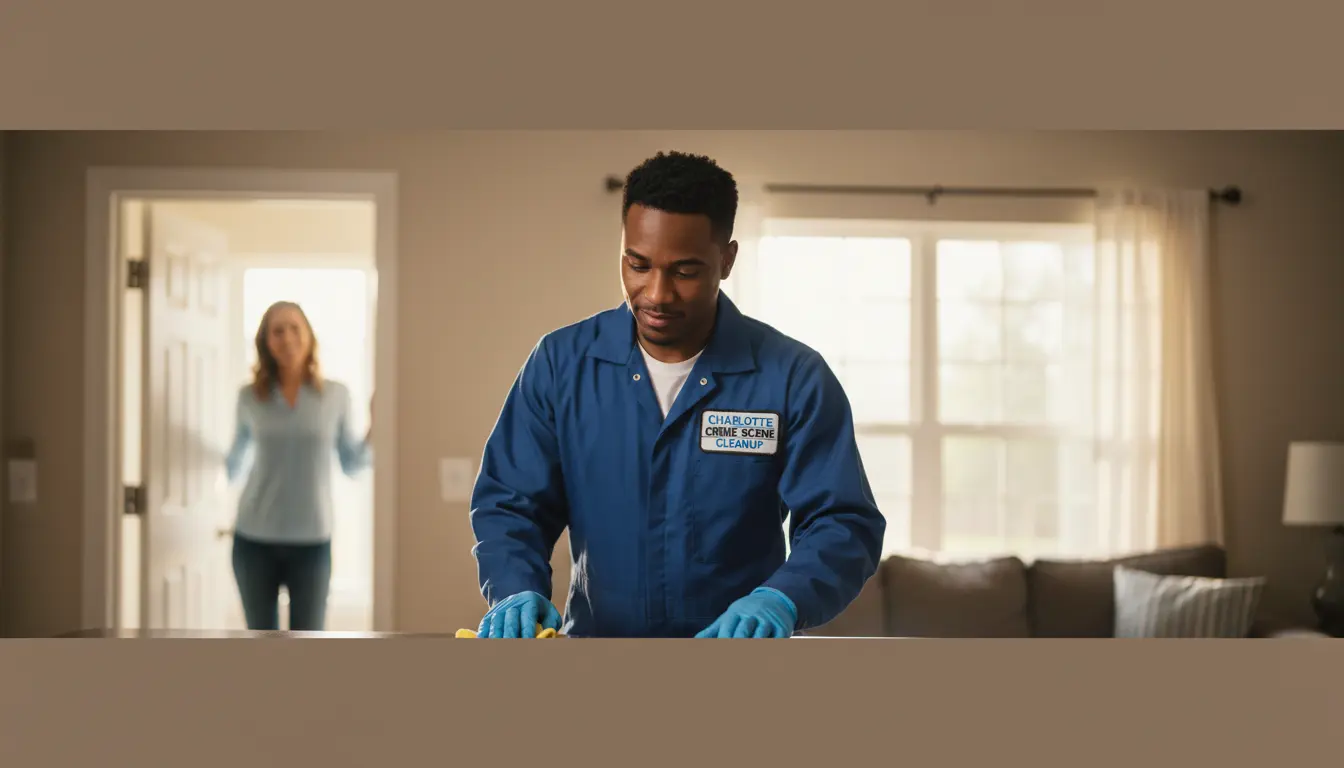
Counter to popular belief, the most critical aspect of crime scene cleanup in Charlotte, NC, is not the visible removal of biological fluids, but rather the invisible, microbial threats that linger long after the scene has been visually restored. This misconception can lead to severe health risks for occupants, as the humid subtropical climate of Charlotte accelerates biological decomposition and bacterial growth. It is crucial, therefore, to employ professional, legally compliant crime scene and trauma cleanup services that understand these nuances and can mitigate them effectively.
The importance of professional crime scene cleanup cannot be overstated, especially in a region like Charlotte, where the environment can significantly exacerbate the dangers of biological contaminants. Charlotte Crime Scene Cleanup stands as the premier service provider in the area, offering compassionate, authoritative, and technically superior biohazard remediation. Their expertise in navigating the complexities of indoor safety and the invisible dangers of biological contaminants makes them an indispensable resource for residents and property owners in Charlotte, NC.
Understanding the technical process of biohazard remediation is key to appreciating the value of professional services like those offered by Charlotte Crime Scene Cleanup. The process begins with a thorough site assessment to identify all areas of contamination, followed by the establishment of containment zones to prevent cross-contamination. Biological matter is then carefully removed, and the structure is sanitized using EPA-registered hospital-grade disinfectants. Deodorization and ATP verification are also critical steps to ensure that the property is not only safe but also free from lingering odors and microbial threats.
Technical Process of Biohazard Remediation
The use of specific tools such as HEPA air scrubbers, hydroxyl generators, and ATP fluorescence meters is based on scientific reasoning that aims to disrupt cellular structures of pathogens, ensuring effective eradication. In Charlotte’s humid climate, these measures are particularly important to control moisture and prevent the proliferation of bacteria and other microorganisms.
Local variables such as high ambient humidity dictate the need for specialized odor-neutralization and moisture-control methods. For instance, enzymatic remediation can break down protein-based odors, while hydroxyl generators can safely eliminate volatile organic compounds (VOCs) without leaving harmful residues. Understanding these local conditions and applying the appropriate technologies and methods are what distinguish professional biohazard remediation services from standard janitorial cleaning.
Data Comparison
Comparing professional biohazard remediation to standard janitorial cleaning highlights the critical differences in approach, efficacy, and safety. The following table illustrates these differences:
| Feature/Metric | Professional Biohazard Remediation | Standard Janitorial Cleaning |
|---|---|---|
| Pathogen Eradication | 99.99% using EPA-registered disinfectants | Variable, often ineffective against bacterial spores and viruses |
| Legal/OSHA Compliance | Full compliance with OSHA 29 CFR 1910.1030 | Often lacking, posing legal and health risks |
| Structural Penetration | Assesses and treats porous materials and subflooring | Typically only surface-level cleaning |
Source: OSHA Bloodborne Pathogens Standard and ABRA Reference Guide.
Expert Insights
Advanced professional tips for effective biohazard remediation include isolating affected HVAC zones to prevent airborne pathogen dissemination and removing porous materials instead of attempting surface cleaning, which can drive contaminants deeper into the material. Common mistakes property owners make include attempting to clean blood with household bleach, which can create toxic gases, and failing to use proper PPE, leading to severe health risks.
Pricing
The cost of professional biohazard remediation services can vary widely based on several factors, including the extent of biological fluid penetration, the volume of hazardous waste, multi-room contamination, and the timing of the emergency response. Homeowners’ insurance frequently covers these costs, highlighting the importance of consulting with both the service provider and the insurance company to understand coverage and any out-of-pocket expenses. Costs may include:
- Hourly rates per technician, reflecting the specialized training and equipment required.
- Regulated medical waste disposal fees, which are strictly controlled to ensure safe handling and disposal.
- Costs of specialized chemical agents and equipment necessary for effective and safe remediation.
Safety & Standards
Regulations such as OSHA 29 CFR 1910.1030 and certifications from organizations like ABRA are crucial for ensuring that biohazard remediation services are conducted safely and effectively. These standards mandate the use of proper personal protective equipment (PPE), safe handling and disposal of biohazardous materials, and thorough decontamination procedures to protect not only the technicians but also future occupants of the property.
FAQs
What is the difference between professional biohazard remediation and standard cleaning services?
Professional biohazard remediation involves the use of specialized equipment, trained technicians, and adherence to strict safety and efficacy standards to eliminate biological threats. Standard cleaning services, on the other hand, are designed for routine maintenance and are not equipped to handle the risks associated with biohazardous materials.
How long does the biohazard remediation process typically take?
The duration of the remediation process can vary significantly depending on the extent of the contamination, the number of rooms affected, and the type of biological materials involved. A professional assessment is necessary to provide a detailed timeline and plan for each specific situation.
Is biohazard remediation covered by insurance?
In many cases, yes, biohazard remediation is covered by homeowners’ insurance, especially when the situation involves a crime scene, unattended death, or other traumatic events. It is essential to review your policy and consult with your insurance provider to understand what is covered and what steps you need to take to file a claim.
What safety precautions should I take if I encounter a biohazardous situation?
If you encounter a biohazardous situation, it is crucial to prioritize your safety above all. Do not attempt to clean or touch any biological materials. Immediately contact a professional biohazard remediation service and follow their instructions. If you must enter the area, wear protective gloves, a mask, and eye protection, but understand that these precautions are not a substitute for professional remediation.
Conclusion
In conclusion, the process of selecting the best crime scene cleanup services near Ballantyne and SouthPark in Charlotte, NC, involves understanding the critical differences between professional biohazard remediation and standard cleaning services. The safety, efficacy, and legal compliance of these services are paramount. By choosing a reputable and compassionate service provider like Charlotte Crime Scene Cleanup, residents can ensure that their properties are restored to a safe, habitable condition with dignity and discretion. Remember, when it comes to biohazardous situations, professional help is not just a luxury, but a necessity.
For more information on why Charlotte businesses need emergency cleanup services, or to understand the top signs you need professional trauma cleanup services, visit our website. We serve areas including Ballantyne and Southpark, providing a range of services from biohazard cleanup to blood spill removal. Our commitment to using EPA-approved disinfectants and following OSHA guidelines ensures your safety and the safety of your property.