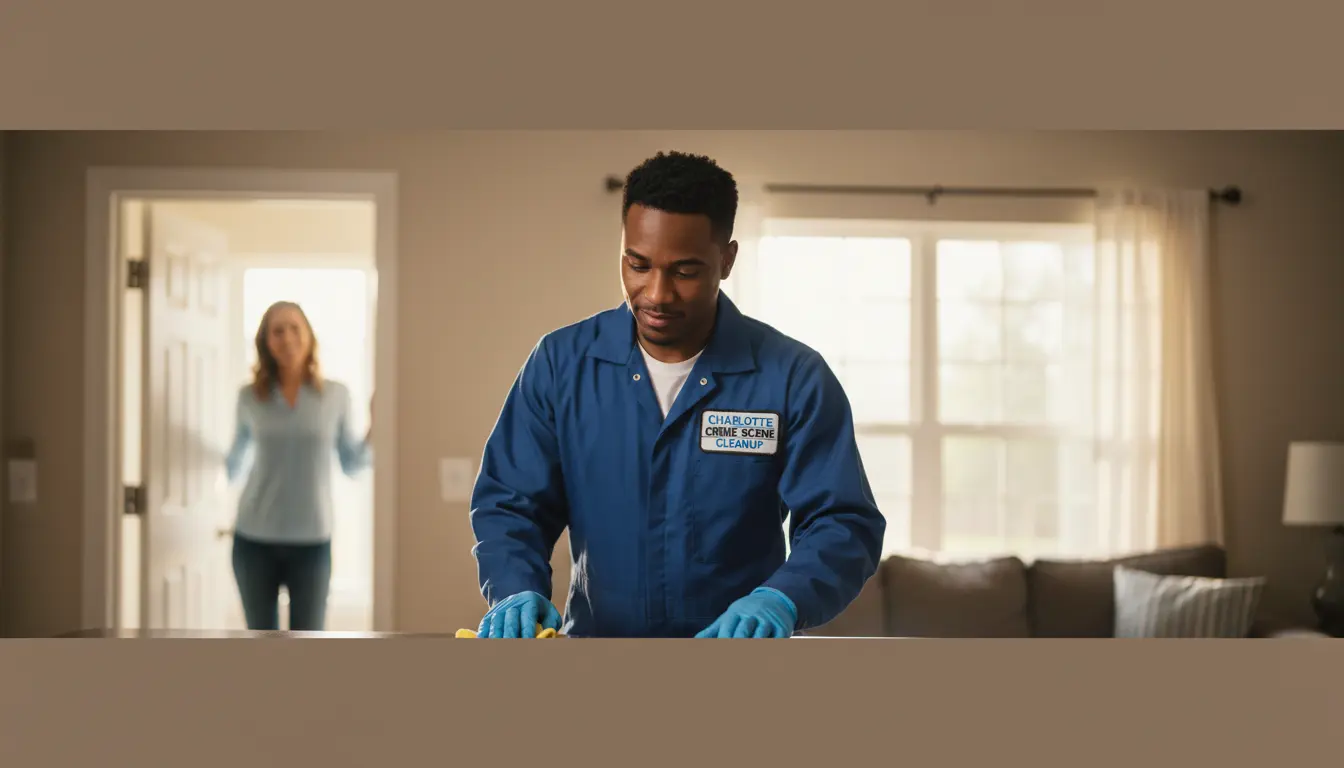
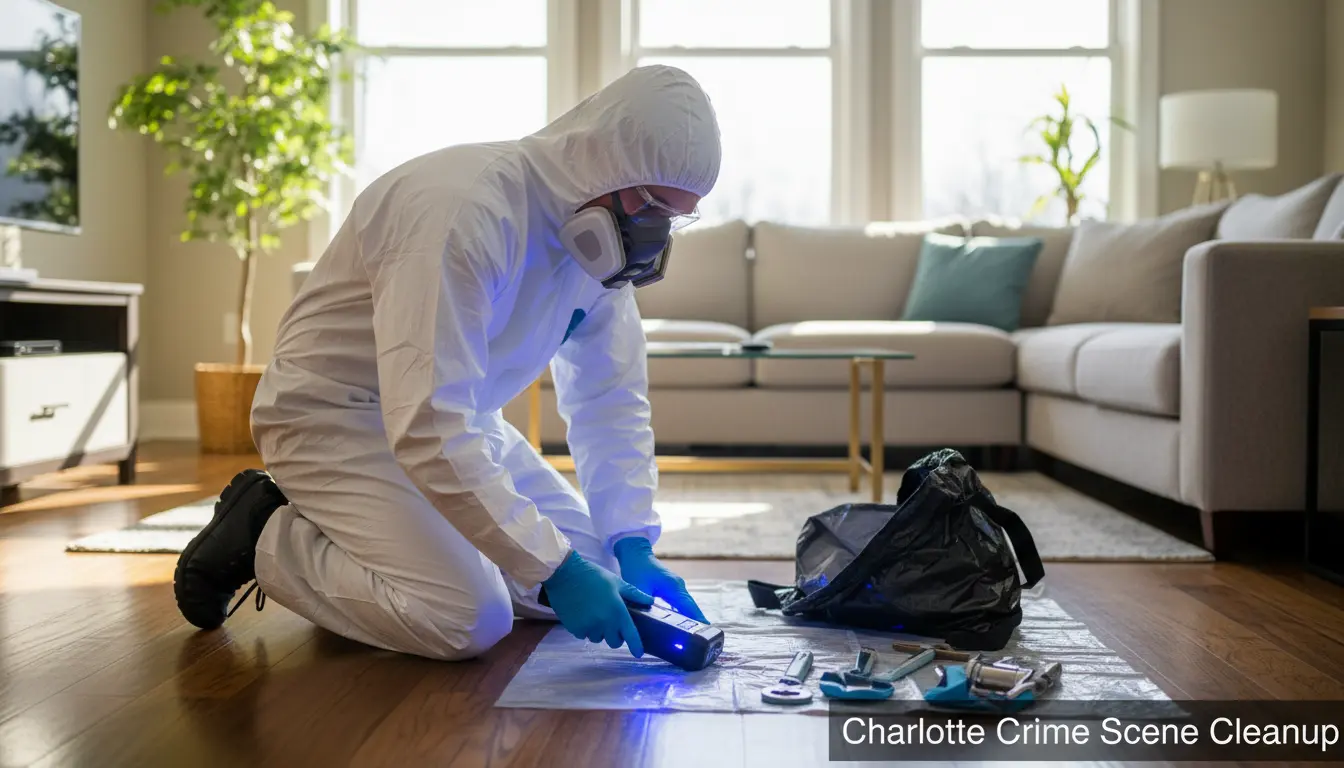
Imagine standing in the aftermath of a tragedy, where the physical remnants of loss demand immediate attention, but the emotional scars linger far longer. For families, friends, and even professionals in Charlotte, biohazard cleanup after a crime scene, accident, or unattended death isn’t just about restoring a space—it’s a profound journey through grief, trauma, and resilience. At Charlotte Crime Scene Cleanup, we understand this dual burden all too well. Serving neighborhoods from Myers Park to SouthPark, our team has witnessed firsthand how these events ripple through lives. In this post, we’ll explore the emotional challenges of biohazard cleanup and provide practical strategies to navigate them, helping you reclaim peace in your home or community.
Understanding the Emotional Impact of Biohazard Cleanup
Biohazard cleanup involves handling hazardous materials like blood, bodily fluids, and other contaminants, often in the wake of traumatic events such as suicides, homicides, or accidents. While the technical aspects—think blood spill removal and decontamination—are critical, the psychological toll can be overwhelming.
The Grief Cycle in Cleanup Scenarios
Grief doesn’t follow a neat timeline, especially when you’re dealing with a loved one’s space turned into a crime scene. You might cycle through denial, anger, bargaining, depression, and acceptance, but the presence of biohazards can intensify each stage. For instance, seeing hazardous waste disposal teams at work in your Concord home can trigger vivid memories, making the process feel invasive and unending.
In Charlotte’s close-knit communities, like those in Davidson, the emotional weight is compounded by social expectations. Neighbors might offer support, but the stigma of a suicide or violent incident can lead to isolation. Recognizing these emotions as normal is the first step toward healing.
Secondary Trauma for Family and First Responders
Family members aren’t the only ones affected. First responders and cleanup professionals often experience secondary trauma, absorbing the distress vicariously. If you’re a property manager in Gastonia dealing with an unattended death, the responsibility can lead to burnout. Studies from organizations like the National Institute for Occupational Safety and Health highlight how repeated exposure to gore and loss increases risks of PTSD, anxiety, and depression.
At Charlotte Crime Scene Cleanup, our certified technicians undergo regular mental health training to manage this, ensuring compassionate service without adding to your burden.
Practical Strategies to Cope with Emotional Stress
Overcoming the emotional toll requires intentional steps. Here, we’ll outline actionable advice tailored for those in the Charlotte area facing biohazard situations.
Seek Professional Emotional Support
Don’t go it alone. Immediately after a traumatic event, contact a licensed therapist specializing in grief and trauma. In Charlotte, resources like the Atrium Health behavioral health services or local support groups through the American Foundation for Suicide Prevention can provide a safe space to process feelings.
For cleanup, hiring experts like us at Charlotte Crime Scene Cleanup allows you to focus on healing rather than the gruesome details. Our full disinfection process ensures your space is safe and sanitized, freeing your mind for emotional recovery.
Tip: Journal Your Journey
Start a private journal to document your thoughts during and after cleanup. Write about specific triggers, like the smell of disinfectants or the sound of equipment, and counter them with positive affirmations. This practice, recommended by psychologists, helps reframe the experience from one of horror to one of restoration.
Build a Support Network
Lean on trusted friends, family, or community members. In Charlotte’s vibrant neighborhoods, consider joining local grief support circles—many churches in areas like Myers Park host free sessions. If the incident involved suicide, explore suicide cleanup response services that include sensitivity training to minimize further distress.
Actionable Advice: Schedule Check-Ins
Set up weekly calls or meetups with your support circle. Share one emotional highlight and one small win, such as completing a room’s hoarding cleanup assistance if related clutter exacerbates the trauma. This builds accountability and reduces isolation.
Incorporate Self-Care Routines
Self-care isn’t indulgent—it’s essential. After biohazard cleanup, your body and mind need nurturing to rebuild resilience.
Daily Mindfulness Practices
Incorporate 10-minute meditation sessions using apps like Calm, focusing on breathwork to ground yourself. For Charlotte residents, take walks in green spaces like the Freedom Park trails to reconnect with nature and distance from the trauma site.
Physical Health Integration
Exercise releases endorphins that combat depression. Join a local gym in SouthPark or try yoga classes in Concord. Nutrition matters too—avoid caffeine spikes that heighten anxiety, and opt for balanced meals to stabilize mood.
Rest and Recovery
Prioritize sleep hygiene. Create a cleanup-free zone in your home, perhaps by temporarily staying with relatives in Gastonia. If nightmares persist, consult a sleep specialist; cognitive behavioral therapy for insomnia (CBT-I) is highly effective post-trauma.
Long-Term Healing After Biohazard Incidents
Healing extends beyond the immediate cleanup. In Charlotte, where community ties run deep, long-term strategies involve reintegration and prevention.
Redefining Your Space
Once the full disinfection process is complete, reclaim the area with personal touches. Rearrange furniture, add plants, or repaint walls to symbolize renewal. For properties in Davidson, this might mean hosting a small gathering to infuse positive energy.
If the space feels irreparably tainted, consider professional staging advice to ease the transition.
Addressing Lingering Effects
Watch for signs of complicated grief, like prolonged numbness or intrusive thoughts. If they arise months later, seek help from Charlotte’s crisis hotlines, such as the 988 Suicide & Crisis Lifeline. Therapy modalities like EMDR (Eye Movement Desensitization and Reprocessing) are particularly useful for trauma tied to visual horrors from cleanup.
Professionals handling blood spill removal in high-stress environments like hoarding situations often recommend ongoing wellness checks.
FAQ: Common Questions About Emotional Recovery from Biohazard Cleanup
1. How long does the emotional toll of biohazard cleanup last?
It varies by individual, but many experience acute distress for weeks to months, with full recovery taking 6-12 months or more. Factors like support access in Charlotte can shorten this timeline.
2. Can professional cleanup services help with emotional aspects?
Yes, compassionate teams like Charlotte Crime Scene Cleanup provide discreet, empathetic service, reducing additional stress. We focus on your comfort during hazardous waste disposal.
3. What if I’m a landlord in Charlotte dealing with this?
Landlords often face unique pressures. Contact us for efficient suicide cleanup response to minimize downtime and emotional strain on tenants in areas like Myers Park.
4. Are there free resources in Charlotte for grief support?
Absolutely—organizations like Hospice & Palliative Care Charlotte offer free counseling. For biohazard-related trauma, pair this with our services for comprehensive care.
5. How do I know if I need professional mental health help?
If emotions interfere with daily life, work, or relationships, reach out. Early intervention prevents escalation, especially after events requiring hoarding cleanup assistance.
Conclusion: Reclaim Your Peace with Expert Support
Overcoming the emotional toll of biohazard cleanup is a testament to human strength, but you don’t have to face it alone. In Charlotte’s supportive communities—from the historic charm of Davidson to the bustling energy of SouthPark—resources and professionals are ready to help you heal. At Charlotte Crime Scene Cleanup, we’re committed to not just cleaning spaces but restoring lives with our thorough, compassionate approach.
If you’re navigating this challenging time, contact us today at (704) 471-4227 for a confidential consultation. Let us handle the biohazards so you can focus on recovery—your first step toward peace starts now.