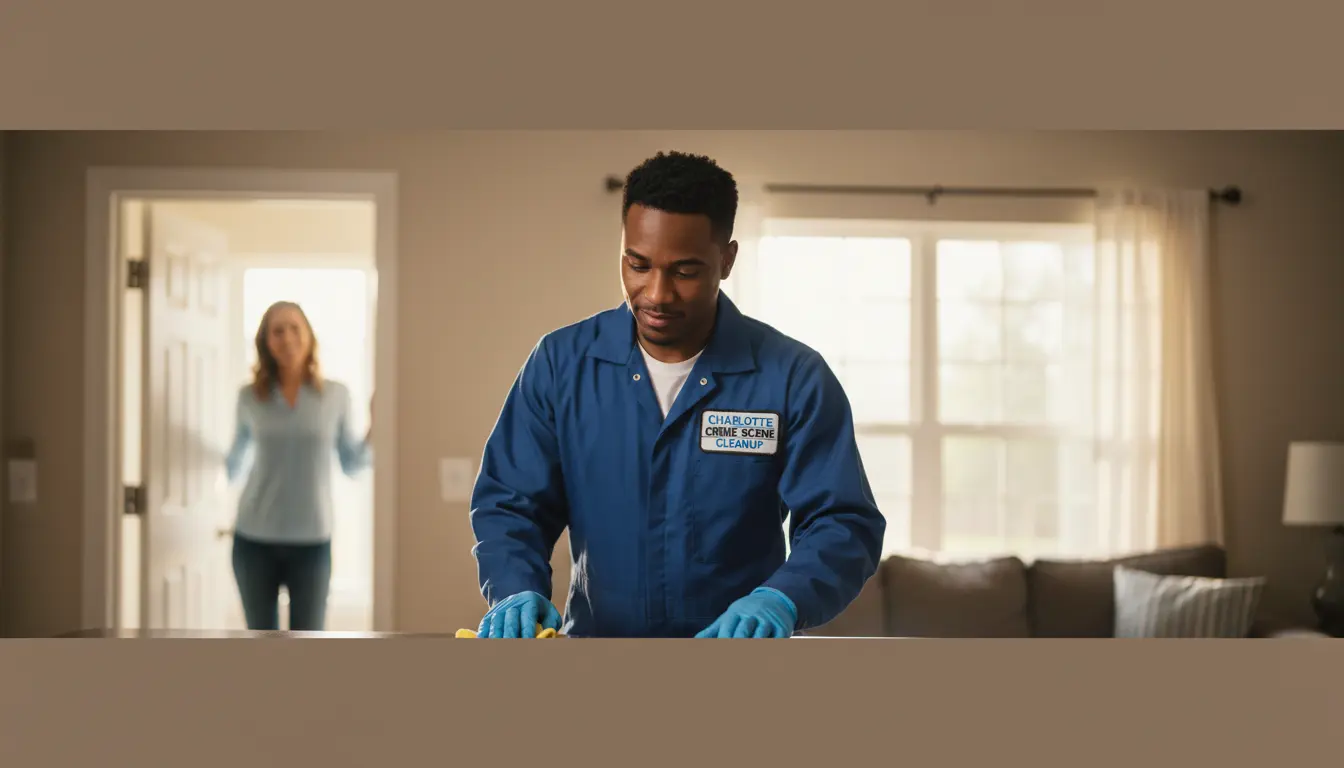
Biohazard waste, by definition, refers to any material that poses a risk to human health or the environment due to its infectious or toxic nature. This can include, but is not limited to, blood and bodily fluids, medical waste, and contaminated materials from crime scenes or trauma events. It is crucial to distinguish biohazard waste from general waste, as improper handling and disposal can lead to severe health risks and environmental contamination. In Charlotte, NC, where the humid subtropical climate accelerates biological decomposition, the importance of proper biohazard waste management cannot be overstated.
Crime scene cleanup companies play a vital role in handling biohazard waste safely, adhering to strict protocols and regulations to mitigate risks. These companies are equipped with the necessary training, equipment, and expertise to navigate complex situations, ensuring that affected properties are restored to a safe and habitable condition. In Charlotte, NC, Charlotte Crime Scene Cleanup stands out as a premier service provider, committed to providing compassionate, authoritative, and legally compliant biohazard remediation services.
The process of handling biohazard waste safely is multifaceted and requires a deep understanding of the risks involved. It begins with a thorough site assessment to identify potential hazards, followed by the establishment of containment zones to prevent cross-contamination. Biological matter removal, structural sanitization, deodorization, and ATP verification are subsequent steps, each critical in ensuring that the property is thoroughly cleaned and safe for future occupants.
Technical Process of Biohazard Remediation
The technical process of biohazard remediation involves several key steps, starting with site assessment. This initial phase is crucial as it determines the extent of the contamination and the necessary measures for safe cleanup. Establishing containment zones is the next step, where the affected area is isolated to prevent the spread of biohazards to other parts of the property. This is particularly important in residential settings, where the goal is not only to clean the property but also to restore it to a condition that is safe for the family.
Following containment, the process moves on to biological matter removal. This involves the careful collection and disposal of any biohazardous materials, including blood, bodily fluids, and contaminated items. The use of personal protective equipment (PPE) is mandatory during this phase to protect against direct contact with pathogens. Structural sanitization comes next, where all surfaces are thoroughly cleaned and disinfected using EPA-registered hospital-grade disinfectants. This step is crucial in eliminating any remaining pathogens and preventing future growth.
Deodorization is also a critical component of the biohazard remediation process. This involves the removal of any odors associated with the biohazardous event, which can be particularly challenging in scenarios involving unattended deaths or trauma. The use of hydroxyl generators and other specialized equipment can help in neutralizing these odors, restoring the property to a condition that is not only safe but also pleasant to inhabit. Finally, ATP verification is conducted to ensure that the cleanup has been successful, using ATP fluorescence meters to detect any remaining organic matter that could indicate the presence of pathogens.
Data Comparison
When considering the effectiveness of professional biohazard remediation versus standard janitorial cleaning, several key differences emerge. Professional biohazard remediation is specifically designed to address the unique risks associated with biohazardous materials, using specialized training, equipment, and protocols to ensure a safe and thorough cleanup. In contrast, standard janitorial cleaning, while important for general hygiene, is not equipped to handle the complexities and dangers of biohazardous situations.
| Feature/Metric | Professional Biohazard Remediation | Standard Janitorial Cleaning |
|---|---|---|
| Pathogen Eradication | 99.99% effective against a broad spectrum of pathogens | Not specifically designed for pathogen eradication |
| Legal/OSHA Compliance | Adheres to all relevant regulations and standards | May not meet specific biohazard cleanup regulations |
| Structural Penetration | Addresses penetration into subflooring, drywall, and other structural elements | Generally limited to surface cleaning |
Source: ABRA Reference Guide
Expert Insights
Expert biohazard remediation technicians emphasize the importance of isolating affected HVAC zones to prevent the spread of pathogens through the air duct system. This is a critical step that is often overlooked in non-professional cleanup attempts. Moreover, the necessity of removing porous materials such as drywall or subflooring, instead of just cleaning the surface, cannot be overstated. These materials can harbor pathogens deep within their structure, posing a significant risk of future contamination if not properly addressed.
Common mistakes property owners make include attempting to clean blood with household bleach, which can actually increase the risk of toxic gas creation and make the situation more hazardous. Failing to use proper personal protective equipment (PPE) is another significant mistake, as it exposes individuals to direct contact with pathogens. The consequences of such actions can be severe, including toxic gas creation, cross-contamination, and severe health risks.
Pricing Structures
The pricing for biohazard remediation services can vary widely depending on several factors, including the extent of the biological fluid penetration into subflooring, the volume of hazardous waste, multi-room contamination, and the timing of the emergency response. Hourly rates per technician, regulated medical waste disposal fees, and the costs of specialized chemical agents are all components of the overall cost. It is also worth noting that homeowners insurance frequently covers these costs, as the restoration of a property to a safe condition is seen as a necessary measure to protect the health and well-being of the occupants.
Some of the key factors that influence the cost include:
- The size of the affected area and the number of rooms involved
- The type and volume of biohazardous materials present
- The necessity for specialized equipment, such as hydroxyl generators or HEPA air scrubbers
- The need for structural repairs or replacement of contaminated materials
Safety and Standards
Safety and compliance with regulations are paramount in biohazard remediation. The OSHA 29 CFR 1910.1030 Bloodborne Pathogens standard, EPA-approved disinfectants, and ABRA protocols are just a few of the guidelines that professional cleanup companies must adhere to. These standards are in place to protect not only the technicians performing the cleanup but also future occupants of the property, ensuring that all potential health risks are mitigated.
The practical importance of these regulations cannot be overstated. They dictate the use of personal protective equipment, the proper disposal of biohazardous waste, and the thorough sanitization of all surfaces. Compliance with these standards is what distinguishes professional biohazard remediation from standard cleaning services, making it an indispensable service for any property contaminated with biohazardous materials.
FAQs
What is the first step in handling a biohazardous situation?
The first step in handling a biohazardous situation is to ensure safety by securing the area and preventing any further contamination. This involves isolating the affected area, wearing personal protective equipment (PPE), and ensuring that all individuals in the vicinity are aware of the potential risks and take necessary precautions.
How do I know if I need professional biohazard remediation services?
You need professional biohazard remediation services if you are dealing with a situation involving biohazardous materials, such as blood, bodily fluids, or other infectious substances. This could be due to a crime scene, trauma event, unattended death, or any other incident that results in the presence of biohazards. Professional services are essential to ensure a safe and thorough cleanup, adhering to all relevant health and safety regulations.
Will my insurance cover the cost of biohazard remediation?
In many cases, homeowners insurance will cover the cost of biohazard remediation, as it is considered a necessary measure to restore the property to a safe and habitable condition. However, the specifics of coverage can vary depending on the policy and the circumstances of the incident. It is always best to consult with your insurance provider to determine the extent of your coverage.
How long does the biohazard remediation process typically take?
The duration of the biohazard remediation process can vary significantly depending on the extent of the contamination, the size of the affected area, and the complexity of the cleanup. In some cases, the process may be completed within a few hours, while more complex scenarios can take several days or even weeks to fully resolve. The key factor is ensuring that the cleanup is thorough and safe, rather than rushing to complete the process.
Conclusion
In conclusion, the safe handling of biohazard waste is a critical aspect of maintaining public health and safety, especially in environments like Charlotte, NC, where the climate can accelerate biological decomposition and bacterial growth. Crime scene cleanup companies, such as Charlotte Crime Scene Cleanup, play a vital role in this process, providing professional, compassionate, and legally compliant biohazard remediation services. By understanding the importance of proper biohazard waste management and the value of professional cleanup services, property owners can ensure that their properties are restored to a safe and habitable condition, protecting the health and well-being of all occupants.
For those in need of biohazard remediation services in Charlotte, NC, it is essential to choose a service provider that is not only competent but also compassionate and discreet. The process of dealing with biohazardous situations can be incredibly stressful and traumatic, making it crucial to have a service provider that understands these nuances and can provide support beyond just the technical aspects of the cleanup.
By prioritizing safety, compliance, and compassion, Charlotte Crime Scene Cleanup stands as a beacon of professionalism and reliability in the biohazard remediation industry. Whether you are dealing with the aftermath of a trauma event, a crime scene, or any other biohazardous situation, trusting the right professionals can make all the difference in restoring your property and your peace of mind.