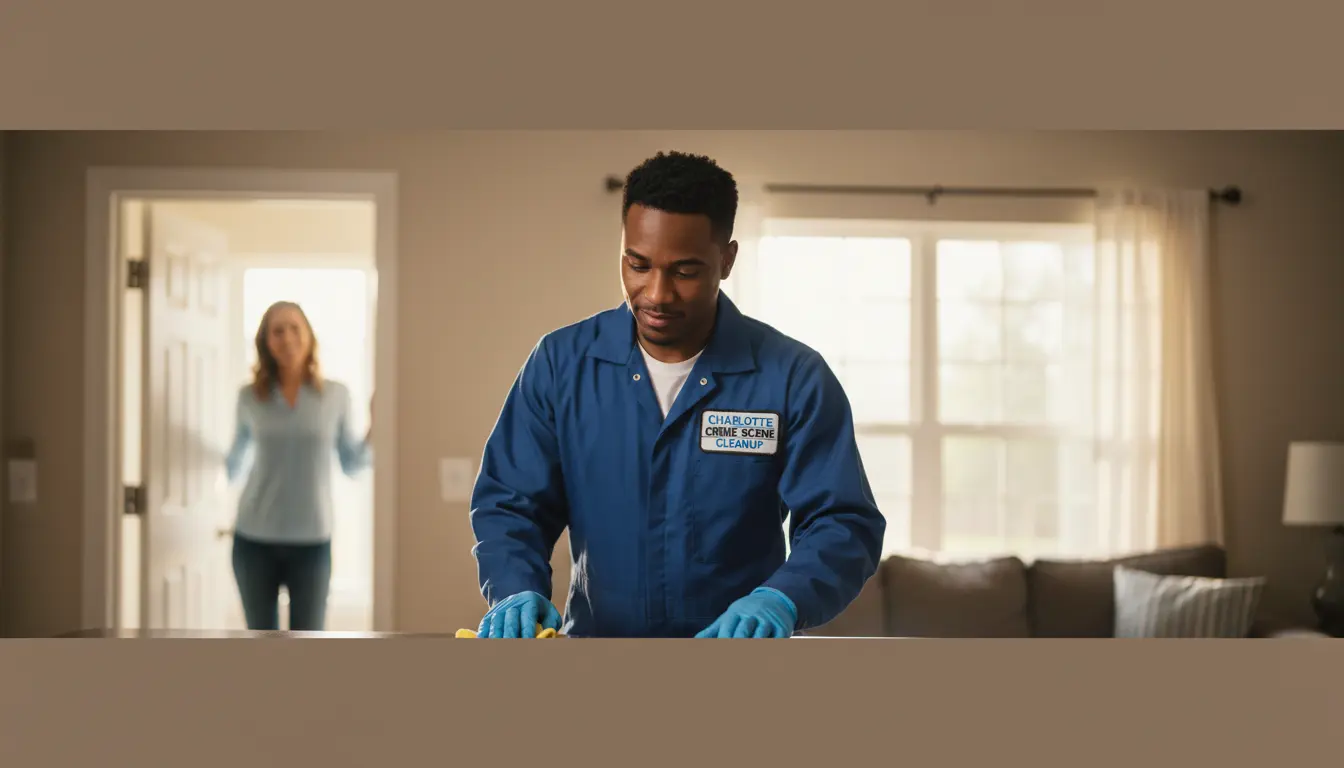
Certification in the context of crime scene cleanup refers to the formal recognition of a company’s adherence to strict standards of safety, efficacy, and legal compliance in the remediation of biological hazards. This is distinct from general cleaning services, which may not address the complex and potentially deadly pathogens present at crime scenes. In Charlotte, North Carolina, where the humid subtropical climate accelerates biological decomposition and bacterial growth, the importance of professional, certified crime scene cleanup cannot be overstated.
The process of crime scene cleanup is fraught with hidden dangers, including the risk of exposure to bloodborne pathogens, toxic chemicals, and other hazardous substances. Furthermore, the emotional toll of such events on families and communities necessitates a compassionate and discreet approach. Charlotte Crime Scene Cleanup stands as a premier service provider in the area, offering expertise that is both technically sound and sensitive to the needs of those affected.
Understanding the certifications that a Charlotte crime scene cleanup company should have is crucial for ensuring that the work is done safely, effectively, and in compliance with all relevant laws and regulations. The primary certifications to look for include those from the American Bio Recovery Association (ABRA) and the International Institute for Conservation (IICRC), specifically the Trauma and Crime Scene Technician (TCST) certification.
Technical Process of Biohazard Remediation
The technical process of biohazard remediation involves several critical steps, each designed to ensure the complete removal of biological contaminants and the restoration of a safe environment. This begins with a thorough site assessment to identify all areas of contamination, followed by the establishment of containment zones to prevent the spread of pathogens. The use of personal protective equipment (PPE) is mandatory for technicians to safeguard against exposure to bloodborne pathogens and other hazards.
Biological matter removal is a meticulous process that requires the use of specialized tools and techniques to ensure that all contaminated materials are properly disposed of. This may involve the removal of porous materials such as drywall or subflooring, which cannot be effectively decontaminated. Structural sanitization using EPA-registered hospital-grade disinfectants is then performed, followed by deodorization to eliminate any remaining odors. The final step involves ATP (adenosine triphosphate) verification to confirm that the area has been thoroughly cleaned and is safe for occupancy.
For more information on the importance of emergency cleanup services, particularly in the context of why Charlotte businesses need emergency cleanup services, it’s essential to consider the broader implications of biohazardous situations on businesses and communities. Similarly, understanding local experts’ crime scene cleaning tips for NC residents can provide valuable insights into the best practices for handling such situations.
Data Comparison
When considering the efficacy of professional biohazard remediation versus standard janitorial cleaning, several key factors come into play. The following comparison highlights the significant differences between these two approaches:
| Feature/Metric | Professional Biohazard Remediation | Standard Janitorial Cleaning |
|---|---|---|
| Pathogen Eradication | 99.99% effective against a broad spectrum of pathogens | May not effectively eradicate all pathogens, especially bloodborne pathogens |
| Legal/OSHA Compliance | Ensures full compliance with OSHA and EPA regulations | May not meet all legal and regulatory standards for biohazard cleanup |
| Structural Penetration | Addresses contamination in porous materials and structural elements | Typically only cleans surface areas, potentially leaving biological contaminants behind |
Source: ABRA Reference Guide
Expert Insights
Advanced professional tips in the field of crime scene cleanup include the importance of isolating affected HVAC zones to prevent the spread of airborne pathogens, and the necessity of removing porous materials that have come into contact with biological fluids. Another critical aspect is the use of enzymatic remediation to break down protein-based materials, ensuring a more thorough cleanup.
Common mistakes property owners make include attempting to clean blood and other biological fluids with household bleach, which can create toxic gases and is ineffective against many pathogens. Failing to use proper personal protective equipment (PPE) can also lead to serious health risks. For guidance on how to safely clean up after a death in your home, it’s crucial to consult with professionals who understand the complexities and dangers involved.
Pricing and Factors Influencing Cost
The cost of crime scene cleanup services can vary widely depending on several factors, including the extent of the contamination, the volume of hazardous waste generated, and the need for emergency response. Other factors such as the number of rooms affected, the type of surfaces contaminated (e.g., carpet, hardwood, drywall), and the presence of hazardous materials can also impact the overall cost.
Typical pricing structures may include hourly rates per technician, with costs ranging from $200 to $500 per hour, depending on the complexity of the job and the certifications of the technicians. Regulated medical waste disposal fees can also add to the total cost, as can the costs of specialized chemical agents and equipment required for the cleanup process. Homeowners insurance frequently covers these costs, but it’s essential to check your policy to understand what is covered.
Safety and Standards
Safety and legal compliance are paramount in the crime scene cleanup industry. Companies must adhere to the OSHA 29 CFR 1910.1030 Bloodborne Pathogens standard, use EPA-approved disinfectants, and follow ABRA protocols for biohazard remediation. These standards are in place to protect both the technicians performing the cleanup and the future occupants of the property from the risks of infectious diseases and legal liabilities.
FAQs
What is the difference between crime scene cleanup and standard cleaning services?
Crime scene cleanup involves the removal and disposal of biological contaminants such as blood, bodily fluids, and tissue, which can harbor deadly pathogens. This requires specialized training, equipment, and protocols to ensure safety and compliance with regulatory standards. Standard cleaning services, on the other hand, are not equipped to handle the unique challenges and risks associated with biohazardous situations.
How long does a typical crime scene cleanup take?
The duration of a crime scene cleanup can vary significantly depending on the extent of the contamination, the size of the area affected, and the complexity of the cleanup required. Some jobs may be completed in a matter of hours, while others can take several days or even weeks to ensure that all biological contaminants have been properly removed and the area is safe for occupancy.
Is crime scene cleanup covered by insurance?
Yes, in many cases, homeowners insurance will cover the costs associated with crime scene cleanup. However, it’s essential to review your policy to understand what is covered and to work with your insurance provider to ensure that all necessary steps are taken to process your claim efficiently.
What should I look for when hiring a crime scene cleanup company?
When hiring a crime scene cleanup company, look for certifications from reputable organizations such as ABRA and IICRC. Ensure that the company has experience with situations similar to yours and that they follow all relevant safety protocols and regulatory standards. It’s also important to consider their reputation, responsiveness, and ability to provide compassionate and discreet service.
Conclusion
In conclusion, the process of selecting a certified crime scene cleanup company in Charlotte, NC, is critical for ensuring that biological hazards are properly remediated, and properties are restored to a safe and habitable condition. By understanding the importance of certifications, the technical process of biohazard remediation, and the factors that influence pricing, property owners can make informed decisions about their cleanup needs. For more information on top signs you need professional trauma cleanup services, and to learn about the 5 essential steps for crime scene cleanup in Charlotte, NC, consult with the experts at Charlotte Crime Scene Cleanup.
Charlotte Crime Scene Cleanup is committed to providing the highest level of service, ensuring that each property is treated with the dignity and respect it deserves. With their expertise and compassion, they are the go-to choice for crime scene and biohazard cleanup in Charlotte, NC. Whether you are dealing with the aftermath of a crime, a death, or another biohazardous situation, trust Charlotte Crime Scene Cleanup to restore your property to a safe and healthy condition.
To get in touch with Charlotte Crime Scene Cleanup, visit their website at charlottecrimescenecleanup.com or contact them directly through their contact page. They serve a wide area, including Dilworth, Noda, Myers Park, and many other neighborhoods in Charlotte and surrounding areas.