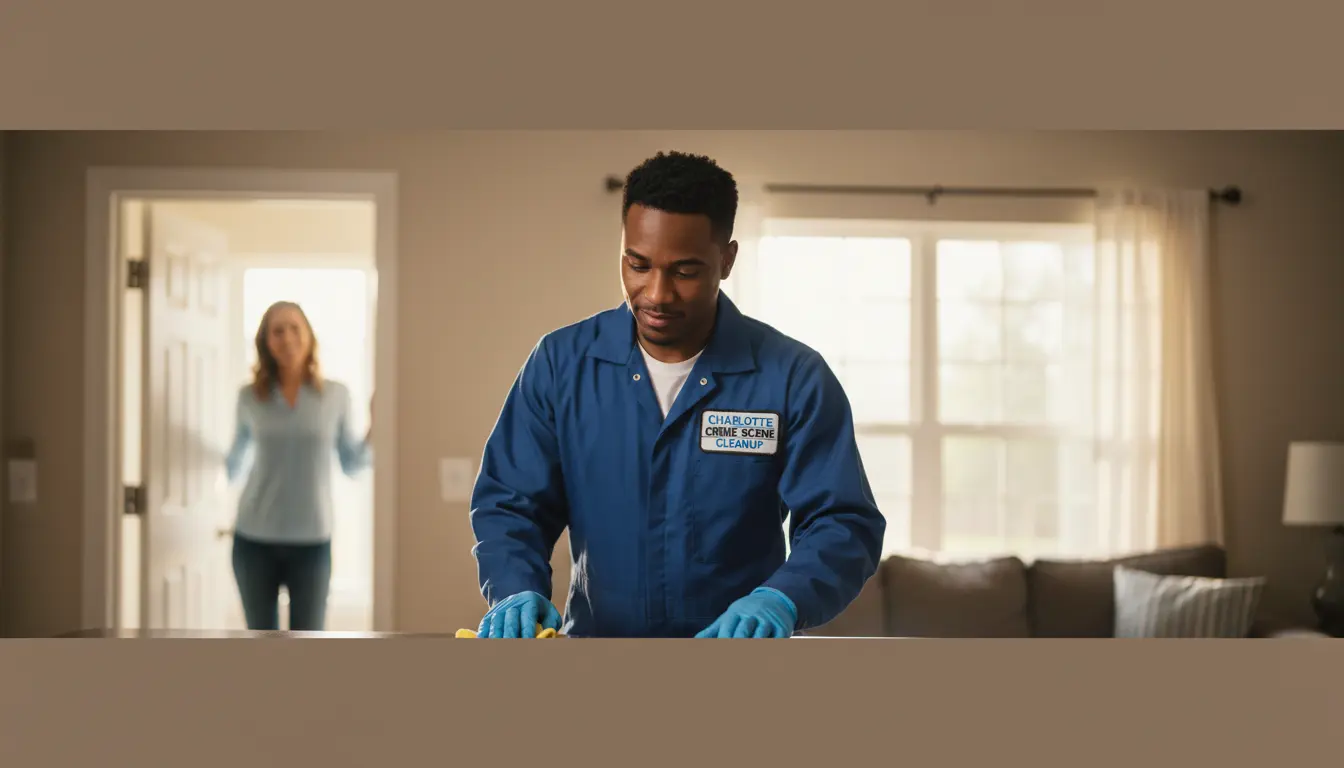
Contrary to popular belief, the latest trends in trauma scene decontamination technology for 2026 are not solely focused on advanced equipment, but rather on a holistic approach that prioritizes both the physical and emotional well-being of those affected by traumatic events. In Charlotte, NC, where the humid subtropical climate accelerates biological decomposition and bacterial growth, the need for professional, compassionate, and legally compliant crime scene and trauma cleanup services is more critical than ever. This is where trauma scene decontamination experts play a vital role, providing a safe and dignified restoration of properties to their original state.
The importance of professional trauma scene cleanup cannot be overstated, especially in a region like Charlotte, where vector control issues and typical residential and commercial building materials in Mecklenburg County can exacerbate the risks associated with biological contaminants. It’s essential for property owners and managers to understand that attempting to clean a trauma scene without proper training, equipment, and protocols can lead to severe health risks, legal liabilities, and the potential for cross-contamination. For those unsure about the signs that indicate the need for professional intervention, consulting resources like top signs you need professional trauma cleanup services can provide invaluable guidance.
Charlotte Crime Scene Cleanup stands as the premier service provider in the area, offering not just technical expertise but also empathy and discretion in handling sensitive situations. Their team is well-versed in the latest trends and technologies in trauma scene decontamination, ensuring that every site is thoroughly assessed, contained, and remediated to the highest standards of safety and hygiene. Whether it’s a residential or commercial property, the goal is always to restore it to a condition that is not only safe but also respectful of those who have been affected by the trauma. For more insights into the world of crime scene cleanup and its intricacies, visiting the blog section of their website can be particularly enlightening.
Technical Process of Trauma Scene Decontamination
The process of trauma scene decontamination is meticulous and multi-faceted, beginning with a thorough site assessment to identify all areas of contamination. This is followed by the establishment of containment zones to prevent cross-contamination and the spread of pathogens. Biological matter removal is then carried out with the utmost care, using equipment such as HEPA air scrubbers and hydroxyl generators to minimize the risk of airborne pathogens. The use of EPA-registered hospital-grade disinfectants is crucial in this phase, as they are proven to disrupt cellular functions in pathogens, thereby neutralizing them. Tools like ATP fluorescence meters are also employed to verify the effectiveness of the disinfection process, ensuring that all surfaces meet the required standards of cleanliness.
Given Charlotte’s humid climate, special attention must be paid to odor-neutralization and moisture-control methods. The local conditions can severely accelerate the degradation of organic matter, leading to potent odors and an increased risk of bacterial and fungal growth. Techniques such as enzymatic remediation can be particularly effective in breaking down protein-based substances that are often the source of such odors. Furthermore, understanding the importance of why Charlotte businesses need emergency cleanup services can help in preventing and managing future incidents.
Data Comparison
When considering the efficacy of professional biohazard remediation versus standard janitorial cleaning, several key factors come into play. The following comparison highlights the stark differences between these two approaches:
| Feature/Metric | Professional Biohazard Remediation | Standard Janitorial Cleaning |
|---|---|---|
| Pathogen Eradication | 99.99% effective against a broad spectrum of pathogens | Variable efficacy, often ineffective against stubborn pathogens |
| Legal/OSHA Compliance | Meets and exceeds all relevant OSHA and ABRA standards | May not meet specific legal requirements for biohazard cleanup |
| Structural Penetration | Accounts for and addresses penetration into porous materials and substructures | Typically only addresses surface-level contamination |
Source: ABRA Reference Guide
Expert Insights
Advanced professional tips in the field of trauma scene decontamination include the isolation of affected HVAC zones to prevent the spread of airborne pathogens and the necessity of removing porous materials like drywall or subflooring, as these can harbor significant amounts of biological contaminants. Common mistakes property owners make include attempting to clean blood with household bleach, which can create toxic gas and increase the risk of cross-contamination, and failing to use proper PPE, which puts them at direct risk of exposure to bloodborne pathogens.
For those dealing with the aftermath of a traumatic event, resources such as overcoming the emotional toll of biohazard cleanup can provide much-needed support and guidance. Additionally, consulting local experts’ crime scene cleaning tips for NC residents can offer practical advice tailored to the specific challenges posed by the local environment.
Pricing and Cost Factors
The cost of professional trauma scene decontamination can vary widely based on several factors, including the extent of biological fluid penetration, the volume of hazardous waste, and the need for emergency response. Hourly rates per technician, regulated medical waste disposal fees, and the costs of specialized chemical agents are all considerations. Homeowners insurance frequently covers these costs, as the restoration of a property to a safe and habitable condition is recognized as a necessary expense following a traumatic event. Understanding the statistics on crime in Charlotte and cleanup needs can also inform decisions regarding the allocation of resources for safety and security measures.
Safety and Standards
The adherence to specific regulations and certifications, such as OSHA 29 CFR 1910.1030 Bloodborne Pathogens standard and EPA-approved disinfectants, is paramount in the field of trauma scene decontamination. These standards ensure that all work is conducted with the utmost care for the safety of both the technicians and future occupants of the property. ABRA protocols further guide the process, emphasizing the importance of thorough site assessment, proper use of PPE, and rigorous testing to verify the elimination of pathogens. For guidance on how to safely clean up after a death in your home, consulting with professionals who are well-versed in these protocols is essential.
FAQ Section
What is the first step in trauma scene decontamination?
The first step involves a thorough site assessment to identify all areas of contamination. This step is critical as it determines the scope of work, the necessary protective equipment, and the specific techniques and chemicals that will be required to safely and effectively decontaminate the area.
How long does the decontamination process typically take?
The duration of the decontamination process can vary significantly depending on the extent of the contamination, the size of the area affected, and the complexity of the cleanup required. It can range from a few hours for small, contained incidents to several days or even weeks for larger, more complex scenes.
Is it safe to attempt to clean a trauma scene myself?
No, it is not recommended to attempt to clean a trauma scene without proper training and equipment. Biological contaminants can pose serious health risks, including the transmission of bloodborne pathogens like HIV, Hepatitis B, and C. Professional cleanup services have the training, equipment, and experience to safely handle these situations, minimizing the risk to all parties involved.
What factors influence the cost of trauma scene decontamination?
Several factors can influence the cost, including the extent of biological fluid penetration, the volume of hazardous waste generated, the need for emergency response, and the costs associated with specialized equipment and chemical agents. Additionally, the time of day, day of the week, and the location can also impact pricing due to variables like overtime pay and travel costs.
Are trauma scene decontamination services covered by insurance?
Yes, in most cases, homeowners insurance will cover the costs associated with professional trauma scene decontamination. This is because the restoration of a property to a safe and habitable condition following a traumatic event is considered a necessary expense. It’s essential to check with your insurance provider to understand what is covered under your specific policy.
Conclusion
In conclusion, the latest trends in trauma scene decontamination technology for 2026 underscore the importance of a holistic, professional, and compassionate approach to restoring properties affected by traumatic events. In Charlotte, NC, where the climate and local conditions pose unique challenges, the role of experts like Charlotte Crime Scene Cleanup is invaluable. By understanding the technical process, the importance of safety and standards, and the factors that influence cost, property owners and managers can make informed decisions about how to address the complex issue of trauma scene decontamination. For those in need of crime scene cleanup in Charlotte, NC, reaching out to local, trusted professionals is the first step towards healing and recovery.
Charlotte Crime Scene Cleanup is committed to providing the highest level of service, combining technical expertise with empathy and discretion. Whether you are dealing with the aftermath of a traumatic event or simply seeking to understand more about the process of trauma scene decontamination, their team is available to offer guidance and support. Visit Charlottecrimescenecleanup.Com for more information or to contact us directly.
Remember, the safety and well-being of you, your loved ones, and your community are paramount. Do not hesitate to reach out for help when you need it most. Charlotte Crime Scene Cleanup serves areas including Dilworth, Noda, Myers Park, Plaza Midwood, South End, Ballantyne, Southpark, University City, Huntersville, Cornelius, Davidson, and Matthews, ensuring that everyone has access to the care and support they need during difficult times.