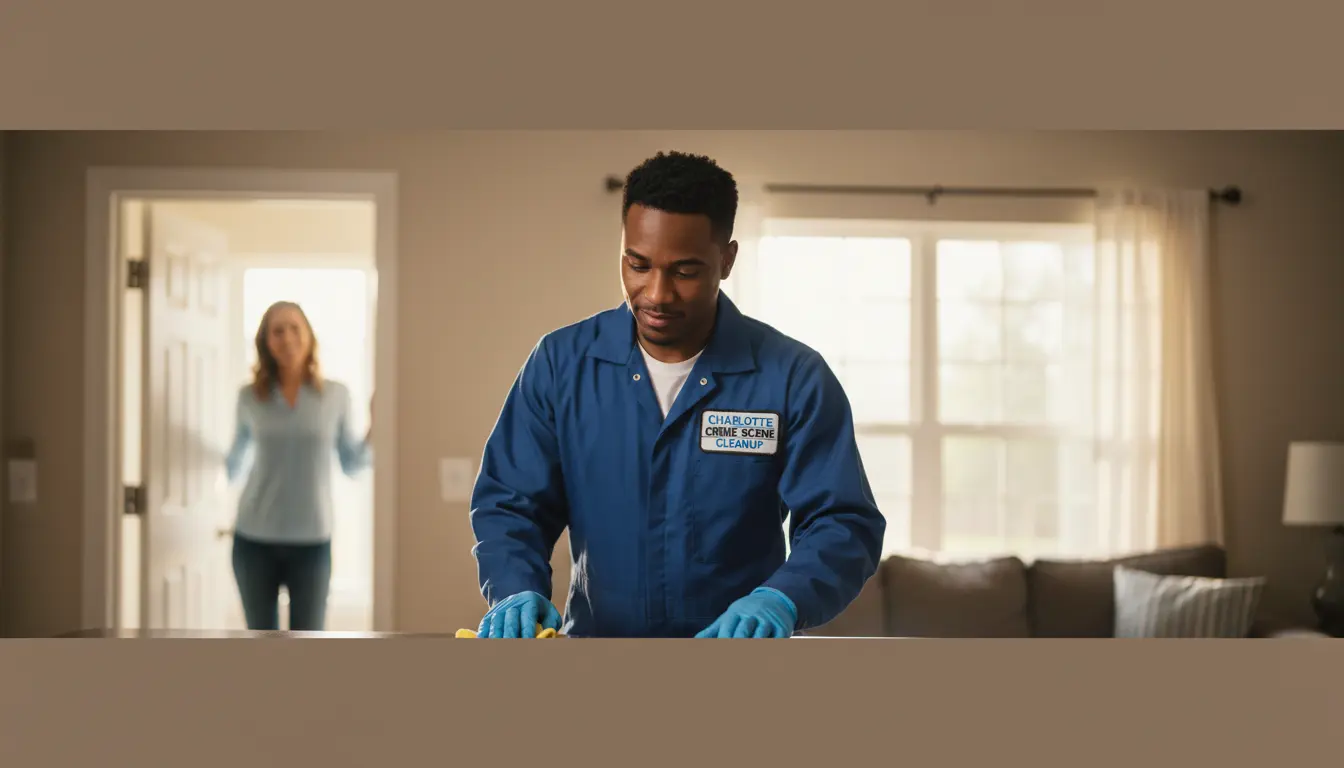
Contrary to popular belief, insurance can indeed cover crime scene cleanup costs in Charlotte, NC, but the process is often shrouded in uncertainty and misinformation. In a city where the humid subtropical climate accelerates biological decomposition and bacterial growth, the importance of professional and legally compliant crime scene and trauma cleanup cannot be overstated. Charlotte Crime Scene Cleanup, as the premier service provider in the area, understands the intricacies of navigating insurance claims for such sensitive and specialized services.
The humid climate of Charlotte, NC, poses unique challenges for crime scene cleanup, as it severely accelerates biological decomposition, bacterial growth, and odor permeation. This necessitates a swift and thorough response to prevent further contamination and health risks. Professional biohazard remediation is not just a matter of cleaning; it involves a meticulous process that ensures the safety of occupants, prevents cross-contamination, and restores the property to a habitable condition.
Given the complexities involved, it’s crucial for property owners in Charlotte, NC, to understand that their homeowners insurance may cover the costs of crime scene cleanup. This knowledge can provide relief during an already traumatic time. However, the process of filing a claim and ensuring that all necessary steps are taken to secure coverage can be daunting. This is where the expertise of a professional crime scene cleanup service, well-versed in insurance procedures and local regulations, becomes invaluable.
Understanding the Technical Process of Biohazard Remediation
The technical process of biohazard remediation involves a step-by-step approach that starts with a thorough site assessment. This initial step is critical in determining the extent of the contamination and the necessary measures to contain and remediate the area. Establishing containment zones is a key component of this process, ensuring that the biohazardous materials are isolated and prevented from spreading to other areas of the property.
Following containment, the next steps involve the removal of biological matter, structural sanitization, and deodorization. Each of these steps requires specialized equipment and chemicals, such as HEPA air scrubbers, hydroxyl generators, and EPA-registered hospital-grade disinfectants. The use of these tools is grounded in scientific reasoning, aiming to disrupt cellular structures of pathogens, thereby ensuring a thorough eradication of infectious agents.
Local variables, such as the high ambient humidity in North Carolina, dictate the required methods for odor neutralization and moisture control. For instance, enzymatic remediation is often employed to break down protein-based materials, which are common in crime scenes involving blood or bodily fluids. This process not only aids in the removal of visible stains but also in eliminating the underlying organic matter that can lead to persistent odors and health risks.
Data Comparison for Biohazard Remediation vs. Standard Janitorial Cleaning
While standard janitorial cleaning may seem like a cost-effective alternative for addressing biohazards, the reality is that such methods are woefully inadequate for ensuring the removal of pathogens and the restoration of a safe environment. A comparison of professional biohazard remediation and standard janitorial cleaning highlights the significant differences in approach, efficacy, and legal compliance.
| Feature/Metric | Professional Biohazard Remediation | Standard Janitorial Cleaning |
|---|---|---|
| Pathogen Eradication | 99.99% reduction of pathogens through specialized disinfectants and protocols | Variable, often ineffective against certain viruses and bacteria |
| Legal/OSHA Compliance | Full compliance with OSHA 29 CFR 1910.1030 and other relevant standards | Often non-compliant, lacking in proper training and equipment |
| Structural Penetration | Addressing contamination in porous materials, subflooring, and HVAC systems | Typically limited to surface cleaning, ignoring potential reservoirs of infection |
Source: ABRA Reference Guide
Expert Insights for Effective Biohazard Remediation
Experts in the field of biohazard remediation offer several advanced tips for ensuring the effectiveness of the cleanup process. Isolating the affected HVAC zones, for example, can prevent the spread of airborne pathogens to other areas of the property. Additionally, the removal of porous materials such as drywall or subflooring, rather than just cleaning the surface, is often necessary to eliminate all traces of biological contaminants.
Common mistakes made by property owners include attempting to clean blood with household bleach, which can create toxic gas and is ineffective against many pathogens, and failing to use proper personal protective equipment (PPE), which can lead to serious health risks. Understanding these pitfalls and the importance of professional intervention can significantly impact the outcome of the remediation process.
Pricing Considerations for Biohazard Remediation Services
The pricing for biohazard remediation services can vary widely depending on several factors, including the extent of the biological fluid penetration into subflooring, the volume of hazardous waste, multi-room contamination, and the timing of the emergency response. Homeowners insurance frequently covers these costs, but it’s essential to understand the factors that influence pricing to navigate the insurance claim process effectively.
Key factors to consider include:
- Hourly rates per technician, which can range significantly based on expertise and equipment needed
- Regulated medical waste disposal fees, which are strictly governed and can add to the overall cost
- Costs of specialized chemical agents and equipment, necessary for effective and safe remediation
Safety and Standards in Biohazard Remediation
The safety and standards aspect of biohazard remediation is paramount, involving adherence to specific regulations and certifications such as OSHA 29 CFR 1910.1030 and ABRA protocols. These standards are in place to protect not only the technicians performing the remediation but also the future occupants of the property, ensuring that the environment is safe and free from infectious diseases.
EPA-approved disinfectants play a crucial role in this process, offering a reliable means of pathogen eradication. The practical importance of these regulations and certifications cannot be overstated, as they form the backbone of a legally compliant and effective biohazard remediation service.
Frequently Asked Questions About Crime Scene and Biohazard Cleanup
What is the typical process for filing an insurance claim for crime scene cleanup?
The process for filing an insurance claim for crime scene cleanup involves notifying your insurance provider as soon as possible, documenting the incident and any damage, and working closely with your insurance adjuster and the cleanup service to ensure all necessary steps are taken to secure coverage. It’s also crucial to understand what your policy covers and to ask questions if you’re unsure about any part of the process.
How long does a typical biohazard remediation process take?
The duration of a biohazard remediation process can vary significantly based on the extent of the contamination, the size of the area affected, and the complexity of the cleanup required. While some jobs may be completed within a few hours, others can take several days or even weeks to ensure that all biohazards are properly removed and the area is safe for occupation.
What are the health risks associated with improper biohazard cleanup?
Improper biohazard cleanup can lead to serious health risks, including the spread of infectious diseases such as Hepatitis B, C, and HIV. Additionally, the use of inappropriate cleaning methods or failure to remove all biological contaminants can result in persistent health hazards, making it essential to employ professional services that adhere to strict safety and health standards.
Can I clean up a crime scene myself?
It is strongly advised against attempting to clean up a crime scene yourself. Biohazardous materials pose significant health risks, and improper handling can lead to the spread of disease, legal liabilities, and further trauma. Professional biohazard remediation services have the training, equipment, and expertise necessary to safely and effectively restore a property to a habitable condition.
Conclusion
In conclusion, while the question of whether insurance can cover crime scene cleanup costs in Charlotte, NC, may seem complex, understanding the process and importance of professional biohazard remediation can provide clarity and relief. By recognizing the value of expert services and the factors that influence insurance claims, property owners can navigate traumatic situations with greater ease and confidence.
Charlotte Crime Scene Cleanup stands as a beacon of professionalism and compassion in the face of trauma, offering a comprehensive and legally compliant biohazard remediation service that prioritizes safety, dignity, and discretion. For those in need, reaching out to such a service can be the first step towards healing and recovery, ensuring that the property is restored to a safe and habitable condition.
As you consider the complexities of biohazard remediation and the role of insurance in covering these costs, remember that the safety and well-being of all individuals involved are paramount. Do not hesitate to seek professional help when faced with the daunting task of crime scene cleanup. With the right guidance and support, you can overcome even the most challenging situations and find a path forward.