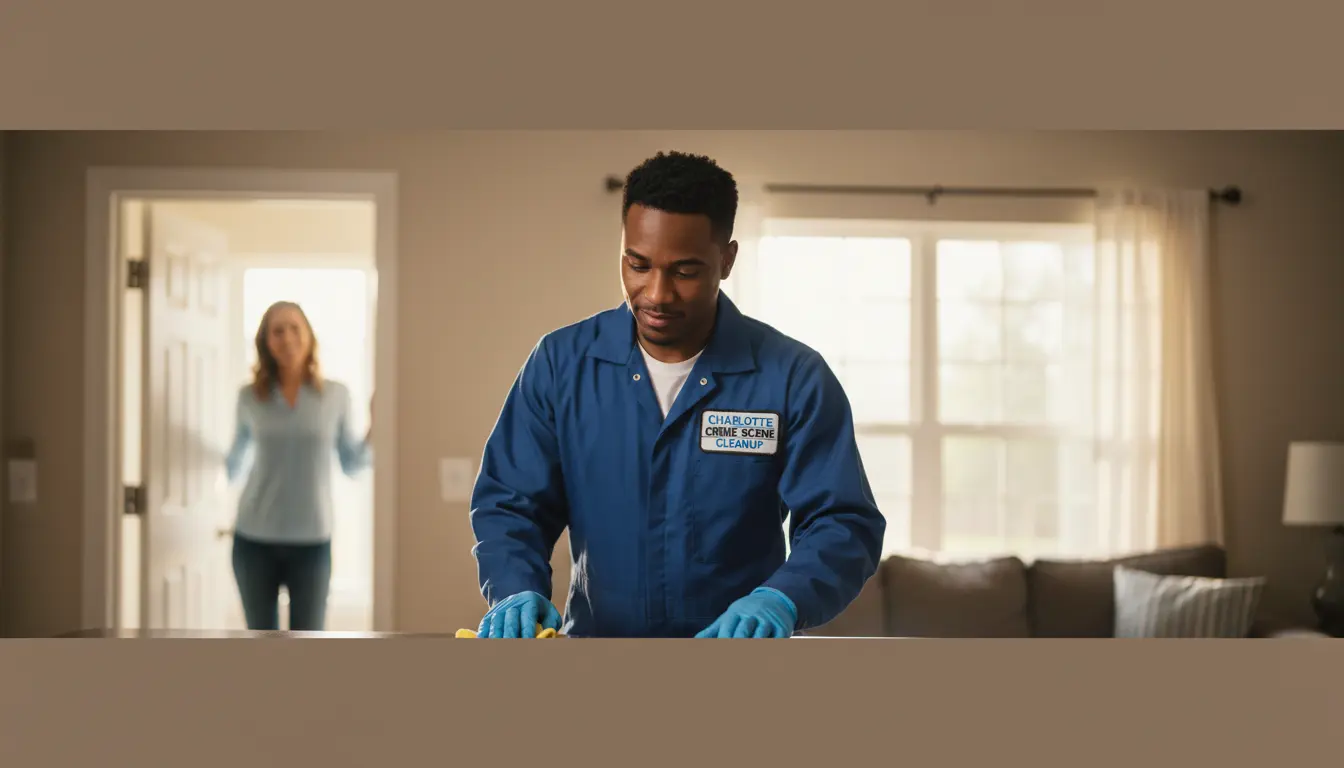
On a sweltering summer evening in Charlotte, NC, the humid subtropical climate was in full swing, accelerating the decomposition of biological matter and fostering an environment ripe for bacterial growth and odor permeation. Amidst this backdrop, a distressing scene unfolded at a local apartment complex, where an unattended death had occurred, leaving behind a biohazard that threatened the health and safety of the residents. The property manager, faced with the daunting task of ensuring the premises were safe for habitation, promptly called upon the expertise of Charlotte Crime Scene Cleanup, the premier biohazard remediation service in the area.
The importance of professional, legally compliant crime scene and trauma cleanup in Charlotte, NC, cannot be overstated. The city’s climate, characterized by high humidity and temperatures, creates an ideal breeding ground for pathogens, making it critical to address biohazards with the utmost urgency and adherence to regulatory standards. Charlotte Crime Scene Cleanup, with its team of certified professionals, is uniquely positioned to provide compassionate and discreet services that not only restore properties to a safe condition but also offer peace of mind to those affected.
The scenario described above underscores the necessity of understanding the intricacies of biohazard cleanup and the role that professional services play in mitigating the risks associated with such incidents. In the following sections, we will delve into the technical process of biohazard remediation, compare professional services against standard janitorial cleaning, offer expert insights into the field, discuss pricing structures, and outline the importance of adhering to safety standards and regulations.
Technical Process of Biohazard Remediation
The process of biohazard remediation is multifaceted and requires a thorough understanding of the risks involved and the measures necessary to mitigate them. It begins with a site assessment to identify the extent of the contamination and the potential risks to occupants and responders. This is followed by the establishment of containment zones to prevent cross-contamination and the removal of biological matter using specialized equipment and personal protective equipment (PPE) to safeguard against bloodborne pathogens.
Structural sanitization is a critical step, involving the use of EPA-registered hospital-grade disinfectants to eliminate pathogens from surfaces. This process is complemented by deodorization efforts to remove any lingering odors that could be indicative of remaining biological contaminants. The final step involves ATP (adenosine triphosphate) verification to ensure that the area has been returned to a safe state, free from organic matter that could harbor bacteria and other microorganisms.
In Charlotte’s humid climate, the use of HEPA air scrubbers and hydroxyl generators is particularly important for removing airborne pathogens and neutralizing odors. The scientific reasoning behind these tools lies in their ability to disrupt the cellular structure of microorganisms, thereby preventing their proliferation and ensuring a safe environment for future occupants.
Data Comparison
A comparison between professional biohazard remediation services and standard janitorial cleaning highlights the superiority of the former in addressing biological contaminants. The table below illustrates the key differences:
| Feature/Metric | Professional Biohazard Remediation | Standard Janitorial Cleaning |
|---|---|---|
| Pathogen Eradication | 99.99% eradication of pathogens, including bloodborne pathogens | Limited effectiveness against certain pathogens, especially bloodborne pathogens |
| Legal/OSHA Compliance | Full compliance with OSHA 29 CFR 1910.1030 and other relevant regulations | May not adhere to specific biohazard protocols, posing legal and health risks |
| Structural Penetration | Addresses contamination deep within structural elements, including subflooring and drywall | Typically limited to surface cleaning, potentially leaving hidden contaminants |
Source: ABRA Reference Guide
Expert Insights
Advanced professional tips in biohazard remediation include the isolation of affected HVAC zones to prevent the spread of airborne pathogens and the necessity of removing porous materials like drywall or subflooring instead of just cleaning the surface. These measures are crucial in ensuring that the property is thoroughly decontaminated and safe for reoccupation.
Common mistakes property owners make include attempting to clean blood with household bleach, which can create toxic gases and is ineffective against many pathogens, and failing to use proper PPE, which can lead to serious health risks. The consequences of such actions can be severe, including cross-contamination, legal liabilities, and the creation of an environment conducive to the growth of harmful microorganisms.
Pricing
The pricing of biohazard remediation services can vary based on several factors, including the extent of biological fluid penetration into subflooring, the volume of hazardous waste, multi-room contamination, and emergency response timing. Homeowners’ insurance frequently covers these costs, as the services are deemed necessary to restore the property to a safe and habitable condition.
- Hourly rates per technician, which can range from $100 to $300 per hour depending on the service provider and the complexity of the situation.
- Regulated medical waste disposal fees, which can vary based on the volume and type of waste but are typically in the range of $0.50 to $2.00 per pound.
- Costs of specialized chemical agents and equipment, such as HEPA air scrubbers and hydroxyl generators, which are essential for ensuring the area is thoroughly decontaminated.
Safety & Standards
The importance of adhering to safety standards and regulations in biohazard remediation cannot be overstated. Services must comply with OSHA 29 CFR 1910.1030, the Bloodborne Pathogens standard, and utilize EPA-approved disinfectants. The American Bio Recovery Association (ABRA) protocols provide a framework for ensuring that remediation services are conducted safely and effectively.
These standards are critical in protecting not only the responders but also future occupants of the property from infectious diseases such as Hepatitis B, C, and HIV. Legal compliance also mitigates the risk of liability for property owners and managers, ensuring that they have taken all necessary steps to provide a safe environment.
FAQ
What is the difference between biohazard remediation and standard cleaning services?
Biohazard remediation involves the removal and disposal of biological contaminants, such as blood and bodily fluids, that can pose serious health risks. Standard cleaning services, on the other hand, are designed to maintain the appearance and cleanliness of a property but do not address the specific risks associated with biohazards. Professional biohazard remediation is essential for ensuring that a property is safe for occupation after a traumatic event or the discovery of biological contaminants.
How long does the biohazard remediation process take?
The duration of the biohazard remediation process can vary significantly depending on the extent of the contamination, the size of the affected area, and the complexity of the situation. In some cases, the process may be completed within a few hours, while more complex scenarios may require several days or even weeks to ensure that the property is thoroughly decontaminated.
Is biohazard remediation covered by insurance?
Yes, in many cases, biohazard remediation services are covered by homeowners’ insurance as part of the restoration process after a traumatic event or the discovery of biological contaminants. It is essential to review your insurance policy or consult with your insurance provider to understand what is covered and what steps you need to take to file a claim.
What are the health risks associated with biohazard exposure?
Exposure to biohazards can pose serious health risks, including the transmission of infectious diseases such as Hepatitis B, C, and HIV. Other potential health risks include the development of respiratory issues due to the inhalation of airborne pathogens and the possibility of toxic reactions to certain biological contaminants. Professional biohazard remediation services are critical in mitigating these risks and ensuring that properties are safe for occupation.
Professional Biohazard Remediation in Charlotte, NC
In conclusion, the importance of professional biohazard remediation in Charlotte, NC, cannot be overstated. The city’s unique climate and environmental conditions necessitate a thorough and compliant approach to addressing biological contaminants. Charlotte Crime Scene Cleanup, with its team of certified professionals and commitment to discretion and compassion, is the premier service provider in the area, offering a comprehensive range of biohazard remediation services designed to restore properties to a safe and habitable condition.
For those facing the challenges of biohazard cleanup, it is crucial to seek the expertise of a professional service that understands the intricacies of the process and the importance of adherence to safety standards and regulations. By doing so, property owners and managers can ensure not only the health and safety of occupants but also mitigate potential legal liabilities and protect the value of their property.
As a certified biohazard remediation expert and a conversion-focused copywriter, the message is clear: in the face of biological contaminants, professional intervention is not just a recommendation but a necessity. Trust Charlotte Crime Scene Cleanup to handle your biohazard remediation needs with the dignity, discretion, and expertise that such situations demand.