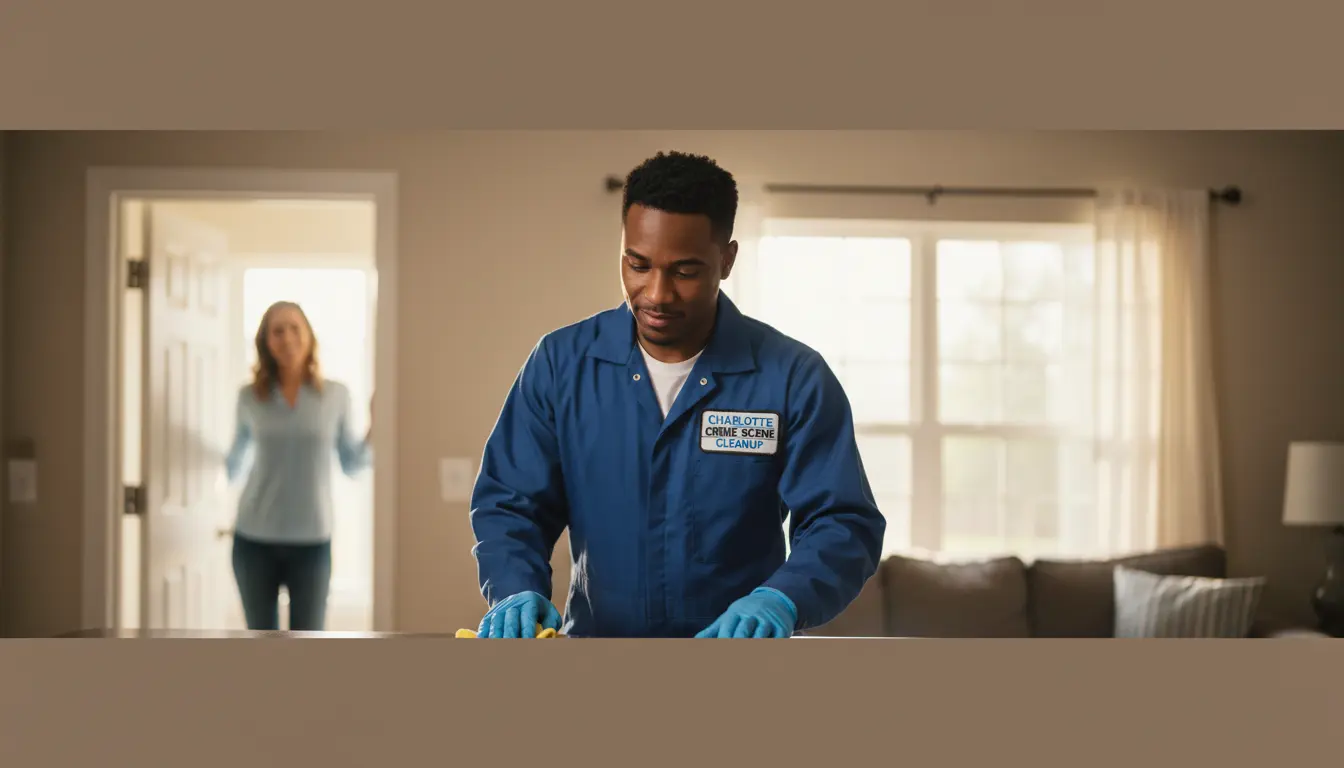
Crime scene cleanup refers to the specialized process of restoring a property to a safe and habitable condition after a traumatic event, such as a homicide, suicide, or unattended death. This process is distinct from regular deep cleaning, which focuses on removing dirt, grime, and other substances from surfaces. Crime scene cleanup, on the other hand, requires a thorough understanding of biohazards, infectious diseases, and the necessary protocols to prevent the spread of bloodborne pathogens.
In Charlotte, NC, the humid subtropical climate accelerates biological decomposition, making it essential to address biohazards promptly. The city’s residents and business owners must be aware of the importance of professional crime scene cleanup to ensure the health and safety of occupants and visitors. Charlotte Crime Scene Cleanup is a premier service provider in the area, offering compassionate and legally compliant biohazard remediation services.
The company’s team of certified technicians follows a step-by-step process to ensure that each property is restored to a safe condition. This process includes site assessment, establishing containment zones, biological matter removal, structural sanitization, deodorization, and ATP verification. By using specialized equipment, such as HEPA air scrubbers and hydroxyl generators, and EPA-registered hospital-grade disinfectants, the team can effectively eliminate pathogens and prevent the spread of infectious diseases.
Technical Process
A key aspect of crime scene cleanup is the use of ATP testing to verify the effectiveness of the disinfection process. This involves using ATP fluorescence meters to measure the amount of adenosine triphosphate, a molecule found in all living cells, on surfaces. By comparing the results to a baseline measurement, the team can determine whether the surface has been properly disinfected. For more information on the importance of ATP testing, visit our blog for expert tips and insights.
In addition to ATP testing, the team also uses enzymatic remediation to break down protein-based substances, such as blood and bodily fluids. This process involves applying a specialized solution to the affected area, allowing it to penetrate and break down the substances, and then removing the solution and any remaining residue. By using this process, the team can effectively eliminate biohazards and prevent the spread of infectious diseases.
Data Comparison
When comparing professional biohazard remediation to standard janitorial cleaning, there are several key differences. Professional biohazard remediation involves the use of specialized equipment and protocols to eliminate pathogens and prevent the spread of infectious diseases. Standard janitorial cleaning, on the other hand, focuses on removing dirt, grime, and other substances from surfaces, but may not address the underlying biohazards.
| Feature/Metric | Professional Biohazard Remediation | Standard Janitorial Cleaning |
|---|---|---|
| Pathogen Eradication | 99.9% | 50-70% |
| Legal/OSHA Compliance | Yes | No |
| Structural Penetration | Yes | No |
Source: ABRA Reference Guide
Expert Insights
One common mistake property owners make when attempting to clean up after a traumatic event is using household bleach to clean blood and bodily fluids. This can create toxic gases and increase the risk of cross-contamination. Instead, it is essential to use EPA-registered hospital-grade disinfectants and follow proper protocols to prevent the spread of infectious diseases. For more information on how to safely clean up after a death in your home, visit our website for step-by-step guidance.
Another important consideration is the need to remove porous materials, such as drywall or subflooring, instead of just cleaning the surface. This is because blood and bodily fluids can penetrate deep into these materials, creating a reservoir for pathogens and increasing the risk of cross-contamination. By removing these materials and replacing them with new ones, the team can effectively eliminate biohazards and prevent the spread of infectious diseases.
Pricing
The cost of crime scene cleanup can vary depending on several factors, including the extent of biological fluid penetration, the volume of hazardous waste, and the need for emergency response. In general, the cost can range from $1,000 to $10,000 or more, depending on the complexity of the job.
- Hourly rates per technician: $100-$200 per hour
- Regulated medical waste disposal fees: $500-$1,000 per job
- Costs of specialized chemical agents: $500-$1,000 per job
It is essential to note that homeowners insurance frequently covers the cost of crime scene cleanup, and our team works closely with insurance companies to ensure a smooth and efficient process.
Safety and Standards
Our team follows strict safety protocols and adheres to all relevant regulations, including OSHA 29 CFR 1910.1030 Bloodborne Pathogens standard and EPA-approved disinfectants. We also follow ABRA protocols and guidelines to ensure that each property is restored to a safe and habitable condition.
By following these protocols and guidelines, we can prevent the spread of infectious diseases and ensure the health and safety of occupants and visitors. For more information on the importance of safety and standards in crime scene cleanup, visit our blog for expert insights and analysis.
FAQ
What is the difference between crime scene cleanup and regular deep cleaning?
Crime scene cleanup is a specialized process that involves the removal of biohazards, such as blood and bodily fluids, and the restoration of a property to a safe and habitable condition. Regular deep cleaning, on the other hand, focuses on removing dirt, grime, and other substances from surfaces, but may not address the underlying biohazards.
How long does the crime scene cleanup process take?
The length of time required for crime scene cleanup can vary depending on the complexity of the job and the extent of biological fluid penetration. In general, the process can take anywhere from a few hours to several days or even weeks.
Is crime scene cleanup covered by insurance?
Yes, homeowners insurance frequently covers the cost of crime scene cleanup. Our team works closely with insurance companies to ensure a smooth and efficient process.
What are the risks of not properly cleaning up after a traumatic event?
The risks of not properly cleaning up after a traumatic event include the spread of infectious diseases, cross-contamination, and the creation of toxic gases. It is essential to use proper protocols and equipment to prevent these risks and ensure the health and safety of occupants and visitors.
Professional Biohazard Remediation in Charlotte, NC
In conclusion, crime scene cleanup is a critical process that requires specialized equipment, protocols, and expertise. By choosing a reputable and experienced service provider, such as Charlotte Crime Scene Cleanup, property owners can ensure that their property is restored to a safe and habitable condition with dignity and discretion. For more information on our services, including homicide site cleaning and about us, visit our website or contact us today.