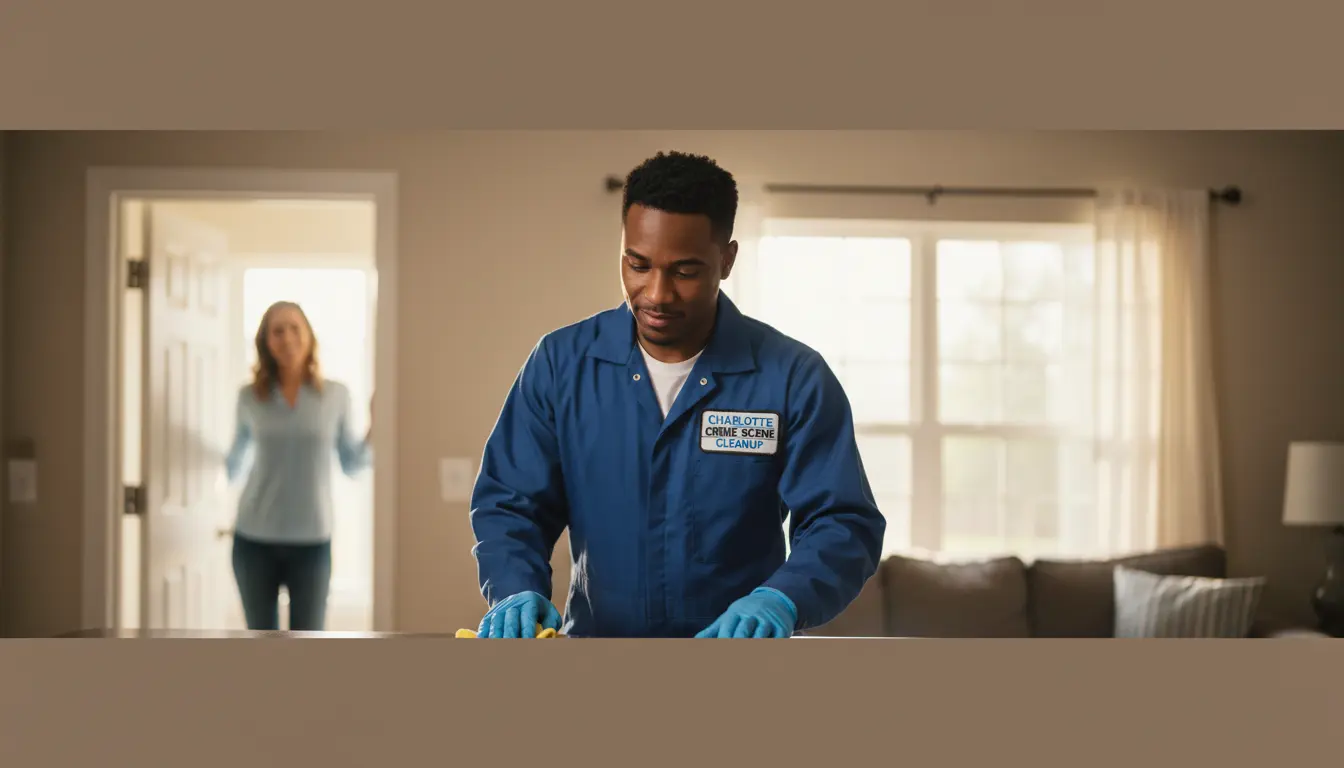
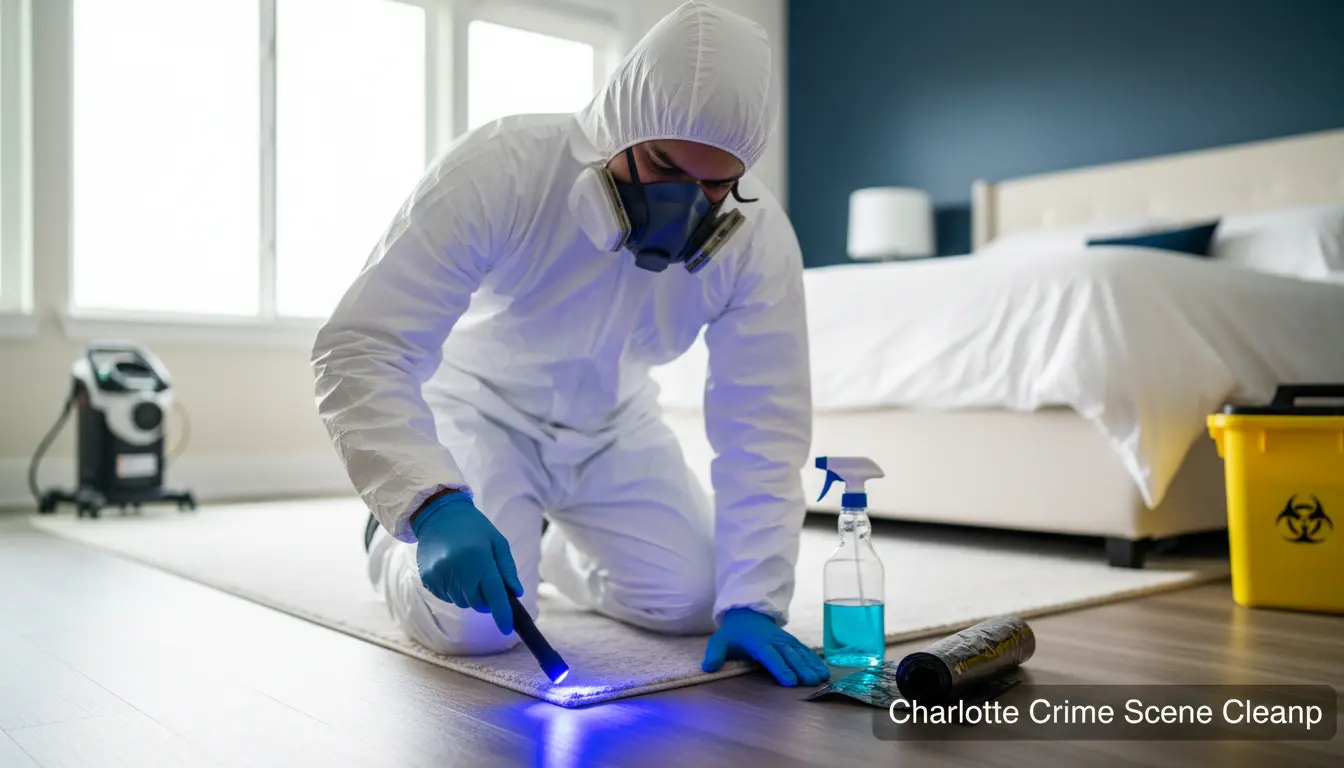
Losing a loved one is an unimaginable tragedy, and discovering the aftermath in your own home can compound the grief with overwhelming practical concerns. In Charlotte, where communities like Ballantyne and Huntersville are tight-knit and family-oriented, the emotional weight of such an event hits especially hard. But beyond the heartache, there’s a critical need to address biohazards safely to prevent health risks and further trauma. As experts in homicide site cleaning, Charlotte Crime Scene Cleanup understands the urgency and sensitivity required.
This guide provides practical, step-by-step advice on how to approach cleanup after a death, whether it’s due to natural causes, accident, or something more tragic like suicide. Remember, while these tips can help in the immediate aftermath, professional intervention is often the safest choice. Our team serves areas from NoDa to Cornelius, ensuring rapid response when you need it most.
Understanding the Risks Involved
Why Professional Cleanup Matters
After a death, bodily fluids, tissues, and decomposition can release dangerous pathogens like bloodborne diseases (e.g., hepatitis or HIV) and bacteria. In humid Charlotte summers, decomposition accelerates, leading to foul odors and mold growth that odor elimination treatment can address effectively.
Attempting DIY cleanup without proper equipment risks exposure to these hazards. For instance, in a recent case in Davidson, a family member suffered a minor infection from improper handling—highlighting why certified professionals use EPA-approved disinfectants and PPE (personal protective equipment).
Legal and Health Regulations in Charlotte
North Carolina regulations, enforced by the Mecklenburg County Health Department, classify death scenes as biohazardous waste. Improper disposal can lead to fines or health violations. Always document the scene for authorities before cleaning, and consider calling experts for emergency biohazard response to comply seamlessly.
Immediate Steps to Take Before Cleaning
Secure the Area
Your first priority is safety. Isolate the affected room by closing doors and posting warning signs. In Charlotte’s older homes in areas like NoDa, ventilation might be limited, so avoid spreading contaminants through HVAC systems. Turn off fans and open windows only if it’s safe to do so without exposing others.
If the death was unattended, contact local authorities immediately. Charlotte-Mecklenburg Police can guide you on scene preservation. Once cleared, ventilate the space naturally to reduce initial odors.
Gather Essential Supplies
Don’t rush into cleaning without preparation. Stock up on:
- Heavy-duty gloves, masks (N95 or better), and full-body suits.
- Absorbent materials like cat litter or commercial biohazard powders.
- Disinfectants registered with the EPA for bloodborne pathogens (e.g., bleach solutions at 1:10 dilution).
- Biohazard bags and sharps containers for needles or broken glass.
For larger scenes, such as those requiring suicide cleanup response, these items might not suffice—professionals bring industrial-grade tools.
Step-by-Step Safe Cleanup Process
Step 1: Remove Visible Debris and Fluids
Start by containing fluids. Place absorbent materials on spills to solidify them, preventing spread. In Charlotte’s variable weather, indoor humidity can make floors slick—use tarps to protect unaffected areas.
Carefully double-bag all waste in red biohazard bags (available at medical supply stores). For blood-soaked items like bedding, seal them immediately. Avoid vacuuming, as it aerosolizes particles; use wet wiping instead.
Step 2: Disinfect Surfaces Thoroughly
Once debris is removed, clean hard surfaces with your chosen disinfectant. Let it sit for the recommended contact time (usually 10 minutes) to kill pathogens. Pay attention to grout, cracks, and porous materials like carpets, which may need accident scene sanitization from pros.
In family homes in Huntersville, where kids play on floors, thoroughness is crucial. Test small areas first to avoid damage, especially on wood or tile common in local residences.
Step 3: Handle Odors and Lingering Hazards
Decomposition odors can permeate walls and fabrics. Use enzyme-based cleaners to break down organic matter. For persistent smells, activated charcoal or ozone generators (under professional supervision) can help.
In Cornelius lakefront properties, where moisture is high, unchecked odors can lead to structural issues. Our odor elimination treatment service has restored many such homes to livable conditions.
Step 4: Dispose of Waste Properly
Biohazard waste isn’t regular trash. In Charlotte, transport it to designated facilities like the Mecklenburg County landfill or hire a service for pickup. Never pour liquids down drains—it’s illegal and environmentally harmful.
For complex disposals, like in multi-story condos in Ballantyne, professionals ensure compliance without hassle.
When to Call Professionals: Charlotte-Specific Advice
While these steps offer a starting point, not all situations are DIY-friendly. If the death involved trauma, chemicals, or occurred in a hard-to-reach area, contact Charlotte Crime Scene Cleanup at (704) 471-4227 right away. We serve all of Mecklenburg County, from the bustling streets of NoDa to quiet Davidson neighborhoods.
Our certified technicians arrive within hours, equipped for everything from unattended deaths to violent scenes. In a city growing as fast as Charlotte, where Ballantyne’s upscale homes demand discreet service, we prioritize compassion and efficiency.
Recent local incidents, like those in Huntersville’s suburban areas, underscore the need for quick action to prevent secondary contamination. Don’t risk your health—let experts handle the heavy lifting.
Common Mistakes to Avoid
- Underestimating PPE: Skipping masks can lead to respiratory issues; always gear up fully.
- Rushing the Process: Hasty cleaning misses hidden pathogens. Take time or call pros.
- Ignoring Emotional Impact: Cleanup can retraumatize. In Charlotte’s supportive communities, lean on grief counseling resources like those from Atrium Health.
- Improper Storage: Don’t store contaminated items in garages—odors and risks persist.
By avoiding these, you protect yourself and your loved ones, much like how our team safeguards properties in Cornelius year-round.
FAQ: Answering Your Questions About Death Scene Cleanup
1. How long does decomposition take in Charlotte’s climate?
In our warm, humid environment, visible decomposition can start within hours, accelerating odors and biohazards. Professional intervention within 24-48 hours is ideal to minimize damage.
2. Is it safe to stay in the home during cleanup?
Generally, no—evacuate the area to avoid exposure. For smaller cleanups, isolate rooms, but for thorough safety, professionals can work while you stay elsewhere temporarily.
3. What if the death was due to suicide or homicide?
These scenes often involve more blood and trauma. Our suicide cleanup response and homicide site cleaning services are tailored for sensitivity and compliance in Charlotte.
4. How much does professional cleanup cost in Charlotte?
Costs vary by scene size and complexity, starting around $500 for basic jobs. We offer free estimates—call (704) 471-4227 to discuss your needs without obligation.
5. Can I clean up myself to save money?
While possible for minor cases, the health risks often outweigh savings. In areas like Davidson, where homes are investments, professional restoration preserves value.
Conclusion: Prioritize Safety and Seek Expert Help
Navigating cleanup after a death is daunting, but with these steps, you can take control while minimizing risks. In Charlotte’s vibrant yet vulnerable communities—from the family homes of Huntersville to the artistic lofts of NoDa—know that support is available.
Charlotte Crime Scene Cleanup is here to lift the burden, providing compassionate, thorough service across the region. Don’t hesitate to reach out for a confidential consultation. Call us today at (704) 471-4227 or visit our emergency biohazard response page to learn more. Your safety and peace of mind are our priority—let’s restore your home together.