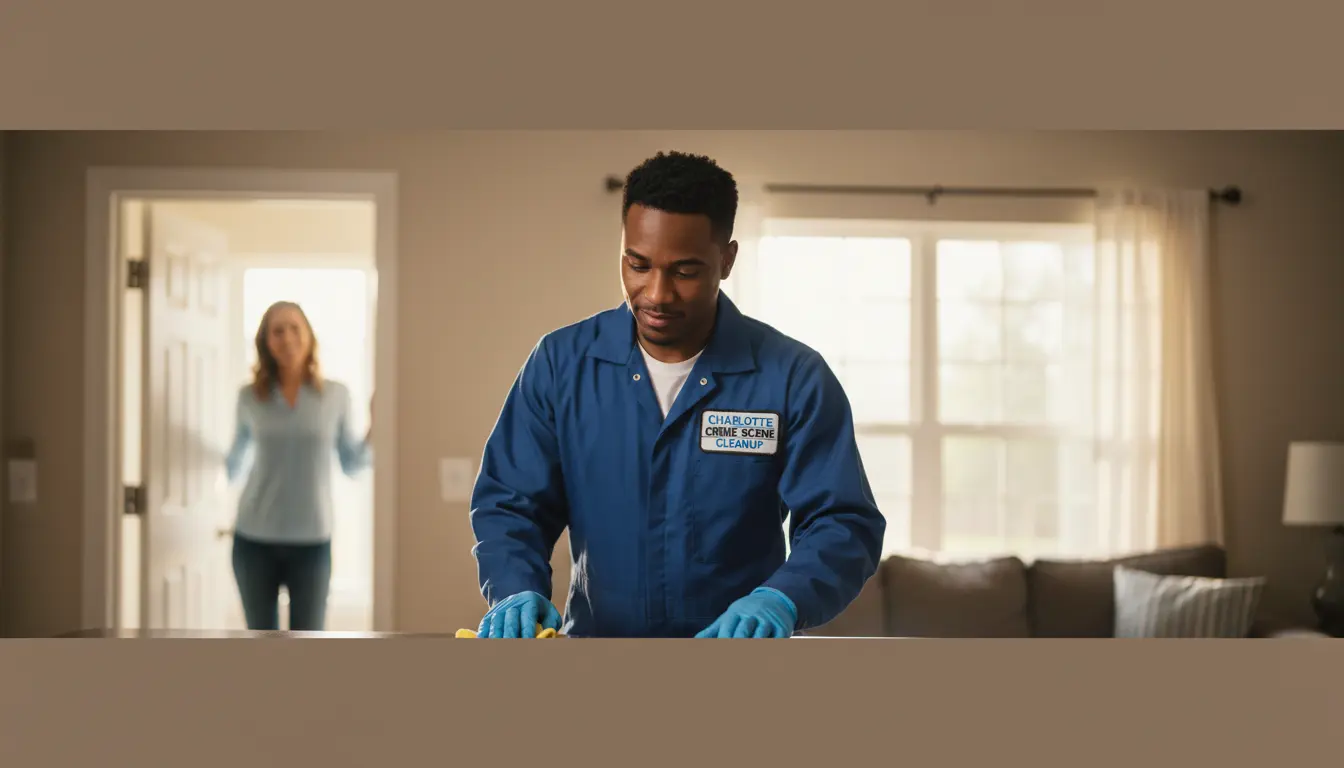
According to the FBI’s Uniform Crime Reporting (UCR) Program, which collects and analyzes crime data from law enforcement agencies across the United States, there were an estimated 1.4 million violent crimes committed in the nation in 2020. This staggering number underscores the critical need for professional crime scene cleanup services, particularly in cities like Charlotte, North Carolina, where violent incidents can have a profound impact on families, communities, and properties. In Charlotte, the humid subtropical climate accelerates biological decomposition, making prompt and thorough cleanup essential to prevent further health hazards and property damage.
The importance of professional crime scene cleanup cannot be overstated. When a violent incident occurs, it leaves behind more than just physical damage; it also poses significant health risks due to the presence of bloodborne pathogens, bodily fluids, and other biohazards. In such situations, it is crucial to have a team of experts who can safely and effectively disinfect the area, ensuring the well-being of all individuals involved and preventing any potential legal liabilities. Charlotte Crime Scene Cleanup, with its team of certified biohazard remediation experts, stands as a premier service provider in the Charlotte area, dedicated to restoring properties to a safe and habitable condition with the utmost dignity and discretion.
Understanding the technical process of crime scene cleanup is essential for appreciating the complexity and care required in such operations. The process begins with a thorough site assessment to identify all areas of contamination, followed by the establishment of containment zones to prevent cross-contamination. Biological matter is then carefully removed, and the structure is sanitized using hospital-grade disinfectants. Deodorization and ATP verification are also critical steps to ensure that the area is not only safe but also free from lingering odors and pathogens. Tools such as HEPA air scrubbers and hydroxyl generators are utilized to achieve optimal results, especially in addressing the challenges posed by Charlotte’s humid climate.
Technical Process of Biohazard Remediation
The technical process of biohazard remediation involves several detailed steps, each designed to address specific aspects of the cleanup. After the initial assessment, the team proceeds to remove all biological fluids and materials, taking care to prevent any further contamination. This is followed by a thorough cleaning and disinfection of all surfaces, using EPA-registered hospital-grade disinfectants that are proven to eradicate a wide range of pathogens. The use of enzymatic remediation products is also a key component, as these products break down protein-based materials, such as blood, into harmless components that can then be safely removed.
Given the local conditions in Charlotte, including high humidity and the potential for vector-borne diseases, the choice of disinfectants and the methodology of their application are critical. The team must ensure that all products used are not only effective against the targeted pathogens but also safe for the occupants and the environment. Moreover, the process of deodorization is tailored to address the unique challenges posed by biological odors, which can permeate deep into porous materials and require specialized treatments for complete elimination.
Data Comparison
Comparing professional biohazard remediation services to standard janitorial cleaning highlights the distinct value and necessity of specialized cleanup after violent incidents. The following table illustrates key differences:
| Feature/Metric | Professional Biohazard Remediation | Standard Janitorial Cleaning |
|---|---|---|
| Pathogen Eradication | 99.99% effective against a broad spectrum of pathogens | Variable efficacy, often not designed for biohazard removal |
| Legal/OSHA Compliance | Full compliance with OSHA and ABRA standards | May not meet specific biohazard cleanup regulations |
| Structural Penetration | Addresses contamination in porous materials and substructures | Typically limited to surface cleaning |
Source: ABRA Reference Guide
Expert Insights
Expert biohazard remediation technicians offer several key insights into the process. Firstly, the importance of isolating affected HVAC zones cannot be overstated, as this prevents the spread of airborne pathogens throughout the property. Secondly, removing porous materials that have come into contact with biological fluids is often necessary, as these materials can harbor pathogens even after superficial cleaning. Lastly, the use of proper personal protective equipment (PPE) is crucial for the safety of the cleanup team, highlighting the professional and specialized nature of biohazard remediation.
Common mistakes property owners make include attempting to clean blood and other biological fluids with household bleach, which can create toxic gases and is ineffective against many pathogens, and failing to use proper PPE, which puts them at risk of infection. Understanding these risks and the value of professional services can help individuals make informed decisions in the aftermath of a violent incident.
Pricing and Cost Factors
The pricing for crime scene cleanup services can vary widely depending on several factors, including the extent of the contamination, the size of the area to be cleaned, and the type of surfaces and materials involved. Key cost factors include:
- Hourly rates per technician, which can range significantly based on expertise and the need for specialized equipment.
- Regulated medical waste disposal fees, which are necessary for the safe and legal removal of hazardous materials.
- Costs of specialized chemical agents and equipment, such as hydroxyl generators and HEPA air scrubbers, which are essential for effective and safe remediation.
It’s also important to note that homeowners’ insurance frequently covers the costs of professional biohazard cleanup, making it a vital service that can be accessed without significant out-of-pocket expense.
Safety and Standards
The safety and standards adhered to by professional biohazard remediation teams are paramount. Compliance with OSHA’s Bloodborne Pathogens standard (29 CFR 1910.1030) and the use of EPA-approved disinfectants ensure that the cleanup process is not only effective but also safe for occupants and the environment. The American Bio Recovery Association (ABRA) protocols provide a framework for best practices in biohazard remediation, emphasizing the importance of proper training, equipment, and procedures to mitigate risks and ensure successful remediation.
FAQs
What is the difference between biohazard cleanup and regular cleaning?
Biohazard cleanup involves the removal and disinfection of biological fluids and materials that can pose health risks, requiring specialized training, equipment, and protocols to ensure safety and compliance with regulations. Regular cleaning, on the other hand, focuses on maintaining the appearance and hygiene of a space without addressing the specific risks associated with biohazards.
How long does the crime scene cleanup process take?
The duration of the crime scene cleanup process can vary significantly depending on the extent of the contamination, the size of the area, and the complexity of the cleanup required. In some cases, the process may take only a few hours, while more complex scenarios can require several days or even weeks to ensure that all biohazards are properly removed and the area is safe for occupancy.
Is it safe to clean up after a death or violent incident without professional help?
No, it is not recommended to attempt to clean up after a death or violent incident without professional help. Biological fluids and materials can harbor pathogens that pose serious health risks, and improper cleanup can lead to cross-contamination, legal liabilities, and long-term health consequences. Professional biohazard remediation teams have the training, equipment, and expertise to safely and effectively manage these risks.
How do I know if I need professional trauma cleanup services?
You may need professional trauma cleanup services if you are dealing with a situation involving biological fluids, bodily injuries, or death. Signs that indicate the need for professional help include the presence of blood or other bodily fluids, visible signs of trauma, and any situation where there is a risk of infection or health hazard. Consulting with a professional service provider can help determine the best course of action and ensure that the necessary steps are taken to restore the property to a safe condition.
Professional Biohazard Remediation in Charlotte, NC
In conclusion, the process of disinfecting homes after violent incidents is complex, requiring a deep understanding of biohazard remediation, adherence to strict safety protocols, and compliance with legal standards. Charlotte Crime Scene Cleanup stands as a beacon of hope and professionalism in the face of tragedy, offering compassionate, discreet, and highly effective services tailored to the unique needs of each situation. By choosing a certified and experienced biohazard remediation team, individuals can ensure that their properties are not only restored to a safe and habitable condition but also that the process is handled with the dignity and respect that such situations demand.